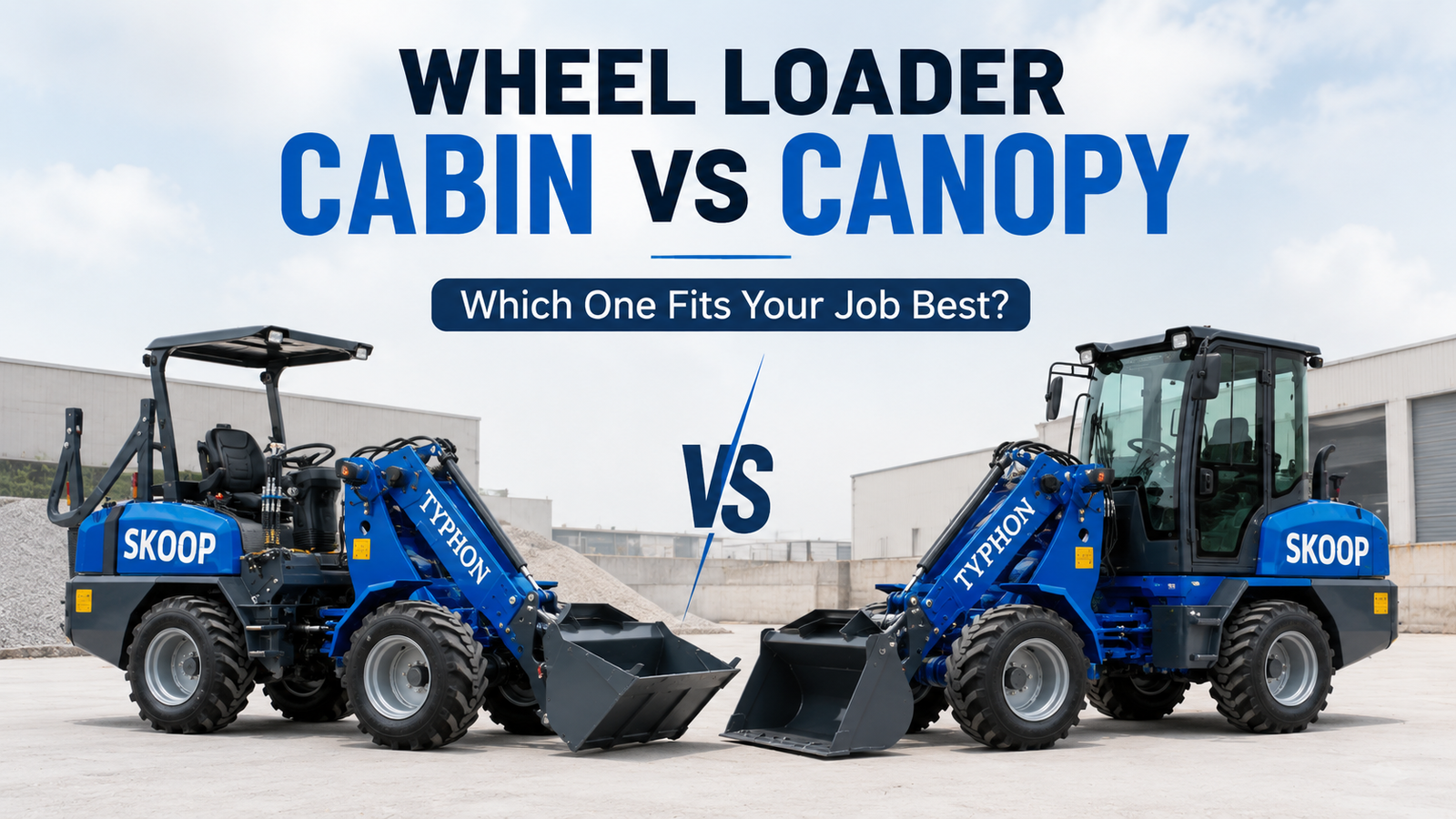
Wheel Loader Canopy vs Cabin: Which One Is Better for Your Job?
Imagine a bustling construction site, a sprawling farm, or a busy industrial yard. In the heart of the action, you’ll often find a powerful workhorse: the wheel loader. These versatile machines are indispensable for moving massive amounts of material, from gravel and sand to logs and debris. But if you’ve ever looked closely, you might have noticed a significant difference in their design: some operators are protected by a fully enclosed cabin, while others work under a simpler, open canopy.
This seemingly minor distinction can have a profound impact on safety, comfort, productivity, and even the overall cost-effectiveness of your operations. Choosing between a wheel loader with a canopy (often referred to as an Open ROPS/FOPS structure) and one with a fully enclosed cabin isn’t just a matter of preference; it’s a strategic decision that should align with your specific job site conditions, environmental factors, and operational priorities.
In this comprehensive guide, we’ll delve deep into the world of wheel loader canopies and cabins. We’ll explore their fundamental differences, dissect their respective benefits and drawbacks, and provide practical insights to help you make an informed choice. Whether you’re a seasoned construction manager, a farm owner, or simply curious about heavy machinery, understanding these distinctions is crucial for optimizing performance and ensuring the well-being of your operators. Let’s dig in and uncover which option truly is better for your job.
1. What is Wheel Loader Canopy vs Cabin?
At its core, the distinction between a wheel loader canopy and a cabin lies in the level of enclosure and protection offered to the operator. Both designs serve the critical purpose of protecting the operator from rollovers and falling objects (hence the ROPS – Roll-Over Protective Structure, and FOPS – Falling Object Protective Structure certifications), but they achieve this with varying degrees of environmental isolation and amenity.
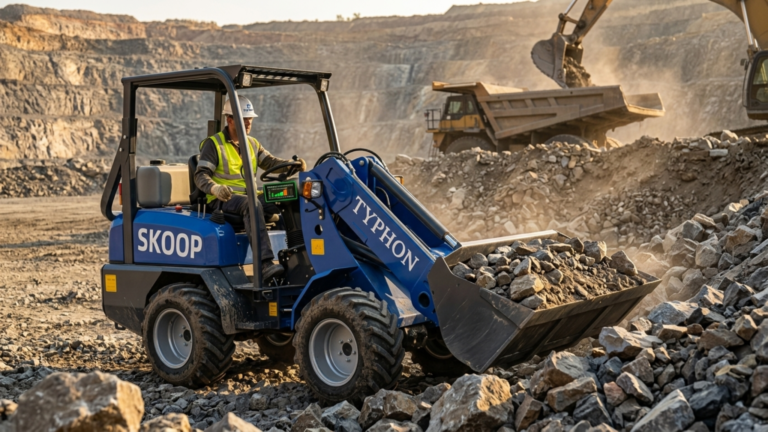
The Wheel Loader Canopy (Open ROPS/FOPS)
Key Characteristics of a Canopy:
- Open Design: No windows, doors, or full enclosure. The operator is directly exposed to wind, rain, dust, sun, and noise.
- Basic Protection: Primarily focuses on structural integrity against rollovers and falling debris.
- Simplicity: Fewer components, less complex electrical systems for environmental control.
- Visibility: Unobstructed 360-degree views, though this can also mean exposure to glare.
Common Use Cases for Canopies: Canopy-equipped wheel loaders are often found in:
- Warm, dry climates: Where extreme weather isn’t a constant concern.
- Short-duration tasks: Jobs where operators aren’t spending extended periods in the machine.
- Sites with frequent entry/exit: Where operators need to hop on and off quickly.
- Applications requiring maximum situational awareness: Such as certain landscaping tasks or material handling in very open areas where direct communication with ground crew is paramount without relying on radios.
- Budget-conscious operations: Canopies generally represent a lower initial purchase cost.
The Wheel Loader Cabin (Enclosed ROPS/FOPS)
In contrast, a wheel loader with an enclosed cabin offers a fully sealed environment for the operator. This includes a robust frame, tempered glass windows on all sides, a door, and often a rear panel. The cabin is designed to isolate the operator from the external environment, providing a controlled climate and enhanced protection.
Key Characteristics of a Cabin:
- Enclosed Design: Full protection from weather, dust, noise, and potential hazards like flying debris.
- Climate Control: Often equipped with heating, ventilation, and air conditioning (HVAC) systems.
- Enhanced Comfort: Reduced noise levels, comfortable seating, and often more ergonomic controls.
- Advanced Features: Can include integrated radios, advanced display screens, and improved lighting.
- Visibility: While windows provide clear views, the frame pillars can create minor blind spots compared to an open canopy.
Common Use Cases for Cabins: Cabins are the preferred choice in:
- Harsh weather conditions: Extreme heat, cold, rain, snow, or high winds.
- Dusty or dirty environments: Such as quarries, mining operations, or demolition sites.
- Noisy environments: Near crushers, grinders, or busy urban construction.
- Long-duration shifts: Where operator comfort and fatigue reduction are critical for productivity and safety.
- Applications requiring specialized air filtration: Such as waste management or agricultural settings with chemical sprays.
- High-security or regulated environments: Where operator protection from external elements is mandated.
Understanding these fundamental differences is the first step in making an informed decision. The choice isn’t about one being inherently “better” than the other in all situations, but rather which one is “better suited” for the specific demands of your operation.

2. Key Benefits
The choice between a wheel loader canopy and a cabin isn’t merely aesthetic; it profoundly impacts operational efficiency, operator well-being, and long-term costs. Let’s break down the distinct advantages each option presents.
Benefits of a Wheel Loader Canopy
While seemingly simpler, canopies offer several compelling advantages, particularly in specific operational contexts.
- Unrestricted Visibility: Without window frames, pillars, or glass to obstruct the view, operators in a canopy often experience superior 360-degree visibility. This can be crucial in tight spaces, when working near ground personnel, or in applications requiring precise material placement. The absence of glare from glass can also be an advantage in certain lighting conditions.
- Easier Entry and Exit: The open design allows operators to quickly and easily enter and exit the machine. This is invaluable on job sites where operators frequently need to dismount to perform manual tasks, communicate directly with ground crews, or move between different pieces of equipment. This can save significant time over the course of a day.
- Lower Initial Cost: Generally, wheel loaders equipped with canopies have a lower purchase price compared to their cabin-equipped counterparts. This can be a significant factor for smaller businesses, startups, or those with strict budget constraints.
- Reduced Maintenance Complexity and Cost: With fewer components like HVAC systems, window mechanisms, and sealing, canopies typically require less maintenance. There are no air filters to change for the cabin, no AC refrigerant to top up, and no broken windows to replace, leading to lower ongoing operational costs.
- Direct Communication: The open environment facilitates direct, unmediated communication between the operator and ground crew without relying on radios or hand signals, which can be beneficial for coordination in certain scenarios.
- Natural Ventilation: In warm, breezy conditions, the open design provides natural airflow, which can be more refreshing than even the best air conditioning system if the external air quality is good.
Real-world Example: A landscaping company frequently uses a compact wheel loader to move mulch, soil, and decorative rocks in residential yards. Operators often need to jump off to adjust materials, talk to homeowners, or guide placement. A canopy-equipped loader allows for quick transitions, excellent visibility for delicate work, and lower upfront costs, making it ideal for their varied, short-duration tasks in generally fair weather.
Benefits of a Wheel Loader Cabin
For many modern operations, the enclosed cabin has become the standard, offering a suite of advantages focused on operator comfort, safety, and productivity in challenging environments.
- Superior Operator Comfort: This is arguably the biggest advantage. Cabins provide protection from extreme temperatures (hot or cold), rain, snow, wind, and direct sunlight. Integrated HVAC systems maintain a comfortable internal climate, significantly reducing operator fatigue over long shifts.
- Enhanced Safety and Health:
- Protection from Elements: Shields operators from harsh weather, reducing the risk of heatstroke, frostbite, and sun exposure.
- Reduced Noise Exposure: The enclosed space significantly dampens external noise from the engine, hydraulics, and the work environment (e.g., crushing operations), protecting the operator’s hearing and allowing for better concentration.
- Protection from Dust and Debris: Sealed cabins prevent dust, dirt, and flying debris from entering the operator’s space, improving air quality inside and reducing respiratory issues. This is crucial in dusty environments like quarries or waste management.
- Security: Offers a more secure environment, protecting the operator from external disturbances or potential hazards from the job site.
- Increased Productivity: A comfortable, well-protected operator is a more productive operator. Reduced fatigue, better concentration, and fewer interruptions due to adverse weather or discomfort lead to higher efficiency and fewer errors. Operators can work longer shifts without needing as many breaks to escape the elements.
- Better Resale Value: Machines with enclosed cabins, especially those with well-maintained HVAC systems, often command a higher resale value due to their broader appeal and versatility across different climates and job types.
- Integrated Technology: Cabins are more conducive to integrating advanced technologies like sophisticated display monitors, telematics systems, advanced control interfaces, and premium sound systems, all within a protected environment.
- Compliance with Regulations: In some industries or regions, enclosed cabins with specific environmental controls might be mandatory due to health and safety regulations, particularly in hazardous environments.
Real-world Example: A large-scale mining operation in a region with extreme temperature fluctuations and significant dust generation relies heavily on cabin-equipped wheel loaders. The enclosed, air-conditioned, and filtered cabins protect operators from scorching summer heat, freezing winters, and constant dust, ensuring they remain alert, healthy, and productive during 12-hour shifts, directly impacting the mine’s output and safety record.
In summary, while canopies offer simplicity and directness, cabins provide a controlled, comfortable, and safer environment that often translates into higher productivity and better operator retention, especially in demanding conditions. The “better” choice hinges entirely on the specific demands of your operation.
3. How to Get Started
Step 1: Assess Your Operating Environment
This is perhaps the most crucial factor. The conditions your wheel loader will face daily should heavily influence your choice.
- Climate and Weather:
- Extreme Heat/Cold: If your region experiences scorching summers or freezing winters, an enclosed cabin with robust HVAC is almost non-negotiable for operator comfort and safety.
- Rain/Snow: Frequent precipitation will quickly make an open canopy impractical and uncomfortable, leading to downtime and operator dissatisfaction.
- Wind: Strong winds can carry dust and debris, making an open canopy unpleasant and potentially hazardous.
- Air Quality:
- Dusty Environments: Quarries, demolition sites, agricultural fields during harvest, or waste management facilities generate significant dust. A sealed cabin with air filtration is essential to protect operator health.
- Hazardous Fumes/Odors: In environments with chemical fumes or unpleasant odors (e.g., landfills, certain industrial applications), a cabin with specialized filtration systems can protect the operator.
- Noise Levels:
- High Noise: If the work environment is inherently noisy (e.g., near crushers, grinders, or heavy traffic), a cabin’s sound-dampening properties are vital for operator hearing protection and focus.
- Falling Debris Risk: While both are ROPS/FOPS certified, an enclosed cabin offers an additional layer of protection from smaller, lighter falling objects that might still enter an open canopy.
Practical Tip: Spend a full day observing your job site conditions at different times of the year. Talk to current operators about their experiences with weather, dust, and noise.
Step 2: Evaluate Operator Needs and Comfort
Operator well-being directly impacts productivity and retention.
- Shift Duration: For long shifts (e.g., 8+ hours), operator fatigue becomes a major concern. A comfortable, climate-controlled cabin significantly reduces fatigue, allowing operators to remain alert and efficient for longer.
- Operator Preferences: If you have a consistent team, involve them in the decision. Their firsthand experience and preferences are invaluable. A comfortable operator is a happy and productive operator.
- Safety Regulations: Check local, national, and industry-specific safety regulations. Some environments or tasks may mandate enclosed cabins for specific reasons (e.g., exposure to certain chemicals, extremely high noise levels).
- Communication Needs: Consider how operators communicate. If frequent, direct, face-to-face communication with ground crew is essential without reliance on radios, an open canopy might offer an advantage. However, modern cabins often have excellent intercom systems.
Practical Tip: Conduct a survey or hold a meeting with your operators to gather their input on what features they prioritize for comfort and safety.
Step 3: Analyze Budget and Long-Term Costs
The initial purchase price is just one piece of the financial puzzle.
- Initial Purchase Cost: Canopies typically have a lower upfront cost. This can be attractive for businesses with tighter budgets or those purchasing multiple units.
- Operating Costs:
- Fuel Consumption: HVAC systems in cabins consume additional fuel.
- Maintenance: Cabins have more components (HVAC, windows, seals) that can require maintenance or replacement, potentially leading to higher long-term costs. Canopies generally have lower maintenance needs.
- Downtime: If operators in a canopy are frequently forced to stop work due to adverse weather, the lost productivity can quickly outweigh the initial cost savings.
- Resale Value: Cabin-equipped loaders often have a higher resale value due to their versatility and broader appeal.
- Productivity Gains/Losses: Quantify the potential productivity gains from a comfortable operator in a cabin versus the potential losses from an uncomfortable operator in a canopy. This can be challenging but is crucial for a complete financial picture.
Practical Tip: Create a total cost of ownership (TCO) analysis for both options over a 3-5 year period, factoring in purchase price, estimated maintenance, fuel, and potential productivity impacts.
Step 4: Consider Specific Job Site Requirements
Beyond general environment, look at the specifics of your tasks.
- Material Handling: Are you moving fine dust, abrasive materials, or large, potentially unstable objects?
- Space Constraints: In very confined spaces, the slightly larger footprint or reduced peripheral vision due to cabin pillars might be a minor consideration, though modern designs minimize this.
- Security: If equipment is left on site, a lockable cabin can offer a basic level of security for controls and personal items.
Step 5: Test and Compare (If Possible)
If feasible, rent or demo both types of wheel loaders in your actual working environment. This hands-on experience can provide invaluable insights that theoretical analysis might miss.
By systematically working through these steps, you can move beyond simple assumptions and make a data-driven decision that optimizes your wheel loader operations for safety, productivity, and cost-effectiveness. Remember, the “best” choice is the one that perfectly aligns with your unique operational profile.
4. Best Practices
Once you’ve made the crucial decision between a canopy and a cabin, implementing best practices ensures you maximize the benefits of your chosen configuration and maintain a safe, productive work environment. These practices apply regardless of your choice but often have specific nuances depending on whether your operator is enclosed or exposed.
For Wheel Loader Canopies: Maximizing Safety and Comfort in Open Environments
Operating with a canopy requires a proactive approach to operator protection and environmental management.
- Personal Protective Equipment (PPE) is Paramount:
- Weather-Appropriate Clothing: Operators must have access to and be mandated to wear appropriate gear for all weather conditions – rain gear, warm layers, sun-protective clothing, and wide-brimmed hats.
- Hearing Protection: Even if the overall site noise isn’t extreme, the direct exposure to engine and hydraulic noise necessitates consistent use of earplugs or earmuffs.
- Eye Protection: Safety glasses or goggles are essential to protect against dust, debris, and glare.
- Sunscreen: Regular application of high-SPF sunscreen is critical for preventing skin damage and reducing the risk of skin cancer.
- Hydration and Breaks: In warm weather, operators in canopies are at higher risk of dehydration and heatstroke. Ensure easy access to water and mandate frequent, shaded breaks.
- Dust Management: If working in dusty conditions, even with a canopy, consider water spraying on haul roads or work areas to suppress dust. Provide operators with dust masks if necessary.
- Visibility Enhancements: While canopies offer great natural visibility, ensure work areas are well-lit for night operations. Consider additional LED work lights on the loader itself. Regularly clean any minimal windshield or dash area.
- Situational Awareness Training: Emphasize the importance of constant vigilance due to direct exposure to the environment. Operators must be acutely aware of their surroundings, ground personnel, and potential hazards.
- Machine Maintenance: Regular checks of the ROPS/FOPS structure for any damage are crucial. Ensure all controls are easily accessible and functional despite environmental exposure.
For Wheel Loader Cabins: Optimizing Comfort, Air Quality, and System Maintenance
The enclosed environment of a cabin brings its own set of best practices, primarily focused on maintaining the integrity of the enclosure and its internal systems.
- HVAC System Maintenance:
- Regular Filter Changes: HVAC filters (cabin air filters) must be changed frequently, especially in dusty environments, to maintain air quality and system efficiency. Clogged filters reduce airflow and strain the system.
- Refrigerant Checks: Periodically check refrigerant levels for AC systems to ensure optimal cooling.
- Duct Cleaning: Occasionally, ducts may need cleaning to prevent mold or bacterial growth, especially in humid climates.
- Window and Seal Integrity:
- Clean Windows: Regularly clean all windows to maintain optimal visibility. Use appropriate cleaners that won’t damage the glass or coatings.
- Inspect Seals: Periodically inspect door and window seals for cracks, tears, or wear. Damaged seals compromise the cabin’s ability to keep out dust, noise, and weather, and reduce HVAC efficiency. Replace them promptly.
- Interior Cleanliness: Encourage operators to keep the cabin interior clean. Dust and debris inside can still affect air quality and comfort. Provide small trash receptacles.
- Ergonomics and Adjustments: Ensure operators are trained on how to properly adjust their seats, steering wheel, and controls for optimal ergonomics. A comfortable posture reduces fatigue and strain.
- Technology Utilization: Train operators on the proper use of all integrated cabin technologies, including display screens, radios, and telematics systems. Ensure these systems are regularly updated and calibrated.
- Emergency Procedures: Ensure operators are familiar with emergency exits, fire suppression systems (if equipped), and how to contact help from within the cabin.
- Noise Control: While cabins reduce external noise, ensure operators still have access to and use hearing protection if internal noise levels (e.g., from radio or internal fans) are high or if they frequently open the door.
General Best Practices for Both Configurations:
- Pre-Operation Checks: Regardless of canopy or cabin, daily pre-operation checks are critical for safety and performance. This includes fluid levels, tire pressure, lights, alarms, and structural integrity.
- Operator Training: Comprehensive training on the specific machine, its controls, and safety protocols is non-negotiable. This includes understanding the limitations and advantages of their specific operator station.
- Regular Servicing: Adhere strictly to the manufacturer’s recommended service schedule for the entire machine.
- Environmental Awareness: Train operators to be constantly aware of their surroundings, including ground conditions, overhead power lines, and personnel.
- Communication Protocols: Establish clear communication protocols between operators and ground crews, whether through hand signals, two-way radios, or direct verbal communication (for canopies).
By diligently following these best practices, you can ensure that your wheel loader, whether equipped with a canopy or a cabin, operates at its peak performance while prioritizing the safety, comfort, and productivity of your most valuable asset: your operator.
5. Frequently Asked Questions
Navigating the choice between a wheel loader canopy and a cabin often brings up several common questions. Here, we address some of the most frequent inquiries to provide further clarity.
Q1: What is the primary difference between a wheel loader canopy and a cabin?
A: The primary difference lies in the level of enclosure and environmental protection. A canopy (or open ROPS/FOPS) provides an overhead protective structure but leaves the operator exposed to the elements (wind, rain, dust, sun, noise) on all sides. A cabin (or enclosed ROPS/FOPS) offers a fully sealed environment with windows, a door, and often climate control (HVAC), isolating the operator from external conditions and providing enhanced comfort and protection. Both provide structural protection against rollovers and falling objects.
Q2: How does a wheel loader cabin protect the operator from the environment?
A: A wheel loader cabin protects the operator through several integrated features:
- Sealed Enclosure: Windows, doors, and panels create a barrier against wind, rain, snow, and dust.
- Climate Control (HVAC): Heating, ventilation, and air conditioning systems regulate the internal temperature, keeping the operator warm in cold weather and cool in hot weather.
- Air Filtration: Cabin air filters prevent dust, pollen, and other airborne particles from entering the operator’s breathing space.
- Sound Dampening: The insulated structure and sealed windows significantly reduce external noise, protecting the operator’s hearing and improving focus.
- UV Protection: Tinted or specialized glass can reduce harmful UV radiation exposure.
Q3: What are the main benefits of choosing a canopy over a cabin?
A: The main benefits of a wheel loader canopy include:
- Lower Initial Cost: Generally more affordable to purchase.
- Unrestricted Visibility: Offers superior 360-degree views without window frames or pillars.
- Easier Entry/Exit: Allows for quick and frequent mounting and dismounting.
- Reduced Maintenance: Fewer complex systems (like HVAC) mean lower maintenance requirements and costs.
- Direct Communication: Facilitates unmediated verbal communication with ground personnel.
- Natural Ventilation: Can be advantageous in mild, breezy conditions.
Q4: When is a wheel loader cabin the better choice for an operation?
A: A wheel loader cabin is generally the better choice when operating in:
- Harsh Climates: Extreme heat, cold, heavy rain, or snow.
- Dusty, Dirty, or Noisy Environments: Quarries, demolition, waste management, or areas with high ambient noise.
- Long Shifts: To reduce operator fatigue and maintain productivity over extended periods.
- Environments with Hazardous Materials: Where air filtration is critical for operator health.
- Situations Requiring Enhanced Security: For the operator and internal controls.
- Where Regulations Mandate: Certain industries or regions may require enclosed cabins for safety and health compliance.
Q5: Does a cabin reduce visibility compared to a canopy?
A: While modern cabins are designed with large glass areas and minimal pillar obstruction, an open canopy inherently offers a more “unobstructed” view because there are no frames, glass, or seals to look through. However, the difference is often marginal with advanced cabin designs. The trade-off for a cabin is the protection and comfort it provides. Glare on windows can sometimes be an issue in cabins, but this can be mitigated with tinting or sunshades.
Q6: How does the choice impact operator productivity and safety?
A:
- Productivity: A comfortable operator in a cabin, protected from elements and fatigue, tends to be more productive, makes fewer errors, and can work longer shifts. An operator in a canopy might experience reduced productivity due to discomfort, frequent breaks, or environmental distractions.
- Safety: Both are ROPS/FOPS certified for structural protection. However, a cabin offers additional safety benefits by protecting against environmental hazards (dust, noise, extreme weather, flying debris) that can lead to health issues or distractions, thus reducing the risk of accidents. For canopies, reliance on proper PPE is paramount for operator safety.
Q7: Is there a significant price difference between a canopy and a cabin wheel loader?
A: Yes, there is typically a significant price difference. Wheel loaders with enclosed cabins, especially those equipped with advanced HVAC systems, soundproofing, and integrated technology, will have a higher initial purchase price compared to models with basic canopies. This difference can range from several thousand to tens of thousands of dollars, depending on the machine size, manufacturer, and specific features. However, it’s important to consider the total cost of ownership, including potential productivity gains and maintenance costs, when evaluating the financial impact.
Conclusion
The decision between a wheel loader canopy and a fully enclosed cabin is more than just a feature preference; it’s a strategic investment that impacts safety, operator well-being, productivity, and your bottom line. There’s no universal “better” option; the ideal choice is always the one that best aligns with the unique demands of your specific job site, environmental conditions, and operational goals.
Canopies offer simplicity, lower upfront costs, and unparalleled direct visibility, making them excellent for short-duration tasks in mild climates where frequent entry and exit are required. They demand a proactive approach to operator PPE and environmental management to ensure comfort and safety.
Cabins, on the other hand, provide a controlled, comfortable, and highly protective environment. They excel in harsh weather, dusty, noisy, or hazardous conditions, significantly reducing operator fatigue and enhancing long-term productivity and safety. While they come with a higher initial cost and more complex maintenance, the benefits in terms of operator retention, reduced downtime, and sustained output often justify the investment.
By carefully assessing your operating environment, prioritizing operator needs, analyzing the total cost of ownership, and adhering to best practices, you can confidently select the wheel loader configuration that will serve your operations most effectively. Your choice will not only impact the efficiency of your material handling tasks but also the health, safety, and satisfaction of your most valuable asset: your operators.
Learn more today about how the right wheel loader configuration can transform your operations. Explore our detailed Wheel Loader Canopy vs Cabin guide for further insights and resources.