
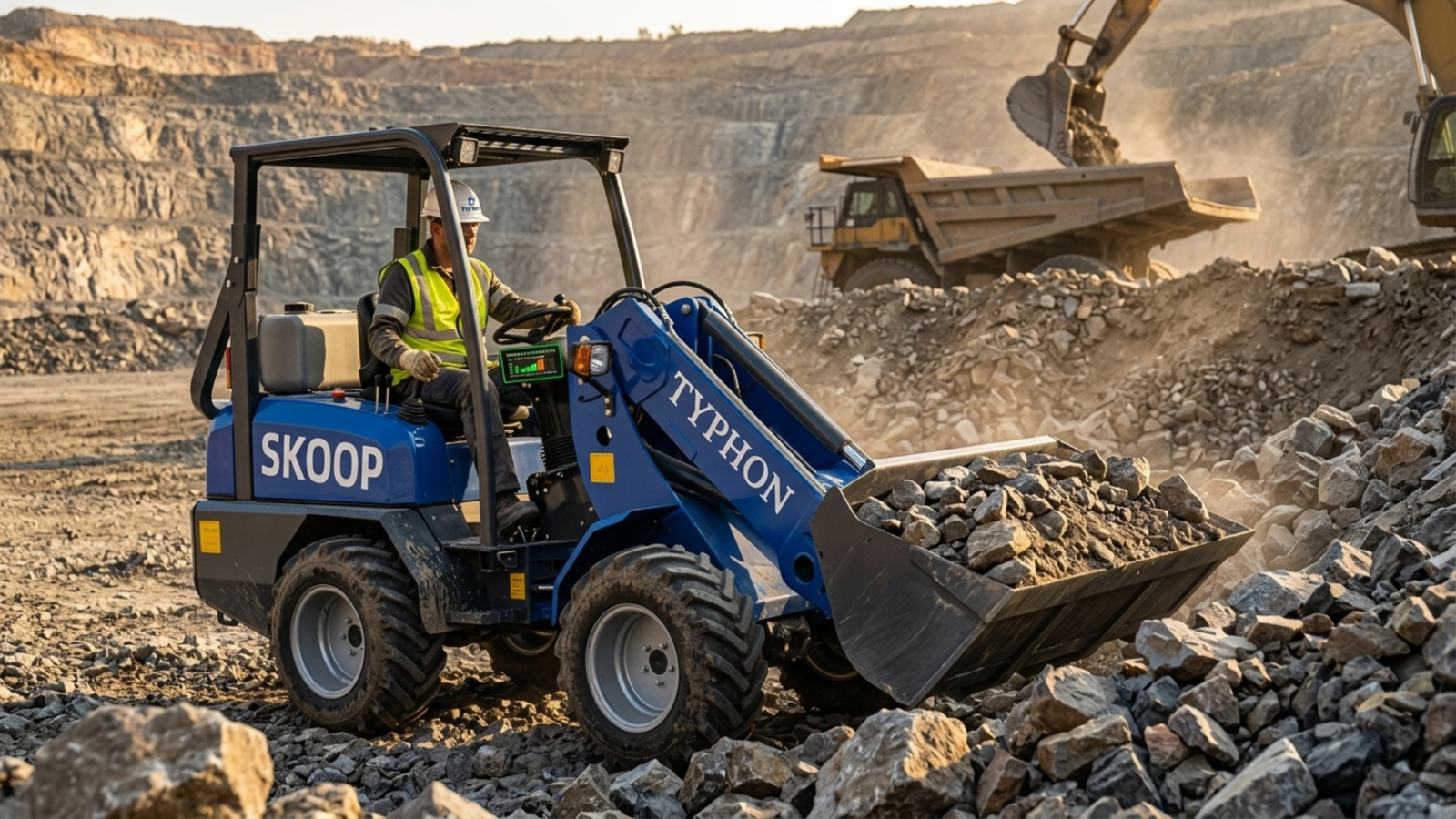
Heavy Ground, Heavy Demands: How Wheel Loaders Power Modern Mining Operations
Mining is one of the most demanding industries in the world, requiring equipment that can perform reliably under constant pressure. From open pit mines to quarries and underground operations, machines are exposed to abrasive materials, uneven terrain, extreme temperatures, and long operating hours. Every piece of equipment plays a role in maintaining productivity, but few are as versatile as the wheel loader. Whether transporting blasted rock, feeding crushers, loading haul trucks, or clearing stockpiles, wheel loaders are essential to keeping materials moving through every stage of production.
Modern mining operations depend on efficiency. Even short delays in moving material can slow processing plants, increase fuel consumption, and reduce overall output. Because of this, selecting the right wheel loader and operating it effectively has a direct impact on production targets and operating costs. Advances in machine design, operator technology, and maintenance systems have also made today’s mining wheel loaders more productive and reliable than ever before. Understanding how these machines contribute to daily operations helps mine managers, equipment operators, and maintenance teams maximize productivity while extending equipment life and maintaining a safe working environment.
The Role of Wheel Loaders in Mining Productivity
Wheel loaders play a central role in the mining process by connecting extraction activities with material processing and transportation. After rock has been blasted and broken, loaders quickly collect the material and transport it to crushers, conveyors, stockpiles, or haul trucks. This continuous movement keeps production flowing and prevents costly interruptions further down the operation. Because they can perform multiple tasks throughout a shift, wheel loaders are often considered one of the most valuable assets on a mining site.
One of their greatest strengths is versatility. A single machine may spend the morning loading haul trucks, move to stockpile management in the afternoon, and finish the shift clearing debris or maintaining work areas. This flexibility reduces the need for specialized equipment while allowing operations to respond quickly to changing production demands. As mining conditions change throughout the day, wheel loaders can easily be reassigned without major disruptions to workflow.
Cycle time is another important factor influencing productivity. Every second saved during loading, transporting, and dumping contributes to greater material movement over the course of a shift. Small improvements may seem insignificant individually, but across hundreds of loading cycles they can produce substantial gains in daily output. Efficient bucket filling techniques, shorter travel distances, and proper loader to truck matching all help reduce cycle times without sacrificing safety.
Wheel loaders also contribute to productivity by maintaining organized stockpiles and ensuring processing plants receive a steady supply of material. Consistent feeding prevents crushers from sitting idle and allows downstream equipment to operate at peak efficiency. When loaders perform reliably, the entire mining operation benefits from smoother production, lower operating costs, and better utilization of both equipment and labor.
Key Features That Make Wheel Loaders Suited for Harsh Mining Environments
Mining environments expose equipment to conditions that are far more demanding than those found on most construction sites. Continuous operation, heavy loads, sharp rocks, and airborne dust require machines that are specifically engineered for durability and long service life. Mining wheel loaders are built with reinforced structures and heavy duty components that allow them to withstand these extreme working conditions while maintaining reliable performance.
The frame and articulation system form the foundation of the machine’s durability. Reinforced steel frames resist twisting and impact forces generated while loading dense materials, while strengthened articulation joints maintain stability during repeated turning under heavy loads. Heavy duty axles, transmissions, and drivetrains are designed to transfer high levels of torque without excessive wear, allowing loaders to work continuously throughout long production shifts.
Hydraulic systems are equally important because they power bucket lifting, tilting, and steering functions. High pressure hydraulic components provide the strength needed to handle large volumes of rock and ore while maintaining smooth and responsive control. Cooling systems are also larger than those found on standard construction machines, allowing engines and hydraulic oil to remain within safe operating temperatures during prolonged periods of heavy work.
Mining sites generate enormous amounts of dust that can damage sensitive components if left unprotected. Modern mining loaders address this challenge through sealed bearings, protected electrical systems, heavy duty air filtration, and reinforced guarding around vulnerable hoses and cylinders. Many models also include automatic lubrication systems that reduce manual maintenance while protecting pins and joints from accelerated wear.
Operator comfort has become another priority in modern machine design. Enclosed cabs with improved suspension seats, climate control, reduced noise levels, and ergonomic controls help operators remain comfortable and alert throughout long shifts. When machines are designed to withstand harsh environments while reducing operator fatigue, productivity improves and equipment remains in service for longer periods with fewer unexpected breakdowns.
Load and Bucket Management in Mining Applications

Efficient load and bucket management is one of the most effective ways to improve wheel loader performance in mining operations. Every bucket pass influences production rates, fuel consumption, tire wear, and component life. Selecting the correct bucket size and using proper loading techniques allow operators to maximize productivity while reducing unnecessary stress on the machine.
Material characteristics play a significant role in bucket selection. Dense ores, fragmented rock, coal, and aggregates all have different weights and flow properties. A bucket that performs well with lightweight aggregate may overload the machine when handling high density iron ore or copper concentrate. Matching bucket capacity to material density ensures the loader carries efficient loads without exceeding safe operating limits.
Proper loading techniques are equally important. Operators should approach the material pile with the bucket level, maintain steady momentum during penetration, and lift smoothly as the bucket fills. Sudden impacts or aggressive digging place unnecessary strain on hydraulic cylinders, lift arms, and the powertrain. Smooth operating techniques also reduce fuel consumption and minimize tire slippage, particularly on loose or uneven ground.
Maintaining balanced loads improves stability and reduces material spillage during transport. Overfilled or uneven buckets increase the risk of dropped material, requiring additional cleanup and extending cycle times. Keeping travel distances short and following well maintained haul routes further improves operating efficiency by reducing unnecessary machine movement.
Mining companies often analyze loader performance using payload monitoring systems that measure bucket weights and loading efficiency. These systems help operators maintain consistent payloads while preventing underloading or overloading of haul trucks. Combined with regular operator training and careful bucket selection, effective load management lowers operating costs, improves equipment longevity, and supports higher production levels throughout the mining operation.
Safety and Operator Considerations in Mining

Mining environments present unique safety challenges that require constant attention from operators, supervisors, and site managers. Wheel loaders frequently operate alongside haul trucks, excavators, bulldozers, and ground personnel, often in areas with limited visibility and changing ground conditions. Combined with dust, steep haul roads, and long operating hours, these factors increase the importance of following established safety procedures. A well-trained operator not only protects the machine but also helps create a safer working environment for everyone on site.
Limited visibility remains one of the greatest hazards during loader operation. Large buckets, stockpiles, and airborne dust can easily block an operator’s view of nearby workers or equipment. Modern wheel loaders reduce these risks through rearview cameras, proximity detection systems, additional work lights, and larger mirrors that improve awareness around the machine. However, technology is only effective when supported by clear traffic management plans, designated travel routes, and consistent communication between equipment operators.
Safe operating habits also have a significant impact on reducing accidents. Operators should maintain appropriate travel speeds, particularly when driving on uneven terrain, ramps, or slippery surfaces. Keeping the bucket in a low position while traveling improves machine stability and preserves forward visibility. Following manufacturer load limits prevents tipping hazards and minimizes stress on structural components. Before entering loading zones, operators should communicate with haul truck drivers and spotters to confirm that equipment movements are coordinated and predictable.
Daily inspections are another essential part of mining safety. Before each shift, operators should examine tires, hydraulic hoses, braking systems, steering controls, lights, alarms, and attachment connections to identify any issues that could affect safe operation. Comfortable, ergonomic cabs also contribute to safer performance by reducing fatigue, vibration, and excessive noise during long work shifts. When operators remain alert and equipment is maintained in safe working condition, mining companies experience fewer incidents, improved productivity, and greater confidence across the entire operation.
Maintenance and Uptime in Demanding Mining Conditions
Wheel loaders are among the hardest-working machines in a mining operation, making reliability essential for maintaining production schedules. Every hour of unexpected downtime can delay truck loading, reduce crusher output, and increase operating costs throughout the site. Because mining often operates around the clock, maintenance programs must focus on preventing failures before they interrupt production. A proactive approach helps extend equipment life while reducing the financial impact of emergency repairs.
Preventive maintenance forms the foundation of equipment reliability. Regular servicing of engines, hydraulic systems, transmissions, cooling systems, and filtration components keeps the loader operating efficiently under demanding conditions. Mining environments generate large amounts of dust and debris that place additional strain on air filters, radiators, and hydraulic coolers. Cleaning and replacing these components according to service schedules helps prevent overheating, power loss, and premature component wear.
Routine inspections performed at the beginning and end of each shift allow maintenance teams to detect problems before they become major repairs. Operators should inspect tires for cuts or uneven wear, check hydraulic lines for leaks, examine pins and bushings for excessive movement, and ensure protective guards remain securely attached. Recording inspection results over time allows maintenance departments to identify recurring issues, improve replacement schedules, and maintain an adequate inventory of critical spare parts.
Many mining companies now rely on telematics and onboard monitoring systems to improve equipment management. These technologies provide real-time information about fuel consumption, engine performance, hydraulic pressure, operating hours, and fault codes. Maintenance personnel can use this data to schedule repairs during planned service intervals instead of responding to unexpected breakdowns. By combining preventive maintenance, thorough inspections, and digital monitoring tools, mining operations can maximize wheel loader availability, reduce repair costs, and ensure material continues moving efficiently throughout the production process.
Conclusion
Wheel loaders remain one of the most valuable pieces of equipment in modern mining because they support nearly every stage of material handling. From loading blasted rock and managing stockpiles to feeding crushers and transporting materials, these versatile machines play a direct role in maintaining production efficiency. Their performance depends not only on durable engineering but also on proper bucket selection, skilled operation, effective safety practices, and consistent maintenance.
Mining companies that invest in operator training, preventive maintenance, and modern monitoring technology are better positioned to reduce downtime, control operating costs, and extend the service life of their equipment. Small improvements in loading techniques, inspection routines, or maintenance planning can produce measurable gains over thousands of operating hours. As mining operations continue to pursue higher productivity and greater efficiency, well-managed wheel loaders will remain essential for moving materials safely, reliably, and cost-effectively while supporting long-term operational success.


One Comment