
How Wheel Loader Lift Height Impacts Loading Efficiency
Lift height decides how fast your loader fills a truck, and how often it can’t. You can pair a strong engine with a big bucket and quick hydraulics, but if the machine can’t clear the side of your haul truck at full dump, every cycle turns into a struggle. Lift height quietly controls loading speed, spillage, cycle count, and how well your loader matches the trucks and hoppers on your site.
Many buyers focus on bucket capacity and horsepower, then overlook the one measurement that ties the whole loading operation together. That’s a mistake that costs you time on every pass. A machine with too little reach forces awkward positioning, extra maneuvering, and spilled material. Get the lift height right, and an average loader moves more material per hour than a bigger machine that doesn’t fit the job. Let’s break down the three areas where lift height matters most, and how to match each to the work in front of you.
Lift Height and Dump Clearance
Dump clearance is the space between the ground and the bottom edge of the bucket at full lift and full tilt. It’s the number that tells you whether your loader can empty cleanly over the side of a truck or into a hopper. When clearance falls short, everything downstream slows down.
Lift height and dump clearance should always be matched to the type of material handling you perform. Loading low-sided trailers, stockpiling aggregates, or feeding screening equipment may require only moderate lift capability. However, loading high-sided dump trucks, feed mixers, or large hoppers demands greater dump clearance to avoid repeated repositioning or incomplete bucket emptying.
Keep in mind that the bucket’s size and attachment design can also affect real-world dump clearance. Larger buckets or specialized attachments may reduce effective reach or change the dumping angle, even if the machine’s rated specifications remain the same. Reviewing both lift height and dump clearance together helps ensure the loader can complete each loading cycle efficiently without compromising productivity or operator safety.
Why Dump Clearance Sets the Pace
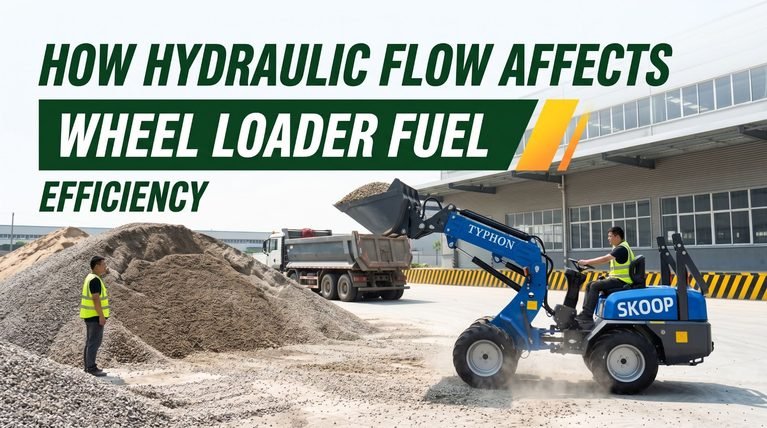
A loader earns its keep at the top of the lift arc, right where it releases the load. If the bucket clears the truck wall with room to spare, the operator dumps in one smooth motion and rolls back for the next pass. If it barely clears, the operator hesitates, edges closer, and works harder to avoid clipping the truck body.
That hesitation adds seconds to every cycle. Over a full shift of hundreds of passes, those seconds pile into lost trucks and lost hours. Worse, a bucket that dumps too low scatters material down the side of the truck instead of into the bed, which means cleanup and wasted product. Clean, confident dumps come from clearance that fits the target.
Before you commit to a machine, measure the tallest thing you load into. Match the loader’s dump clearance to that height with margin to spare, and your cycles stay quick and predictable across the whole shift.
The Hidden Cost of Too Much Height
More lift isn’t always better. A loader built with far more reach than your job needs carries extra weight up high, which shifts the center of gravity and can reduce stability with a heavy load. Taller lift arms also tend to cost more, burn more fuel, and add complexity you may never use.
There’s a balance point. You want enough clearance to load your trucks with confidence, but not so much that you’re paying for reach that sits idle. The Occupational Safety and Health Administration (OSHA) stresses stability and safe load handling for powered industrial and earthmoving equipment, and an over-tall machine working near its limits can undercut both.
The practical move is honest measurement. Know your load targets, add a sensible safety margin, and choose a lift height that serves the work without carrying dead weight through every cycle.
Reach and Bucket Positioning
Lift height means little without the right reach to place the load where it belongs. Reach is how far the bucket extends outward at full lift, and it decides whether the operator can center material in the bed or has to fight the geometry of the machine. Proper bucket geometry helps retain material during lifting and improves unloading accuracy. Positioning is where efficiency is won or lost pass after pass.
Insufficient reach forces operators to reposition the machine more often, increasing cycle times, fuel consumption, and tire wear. Choosing a wheel loader with adequate reach for your typical loading applications allows smoother material placement, reduces unnecessary maneuvering, and improves overall productivity throughout the workday.
Placing the Load Where It Counts
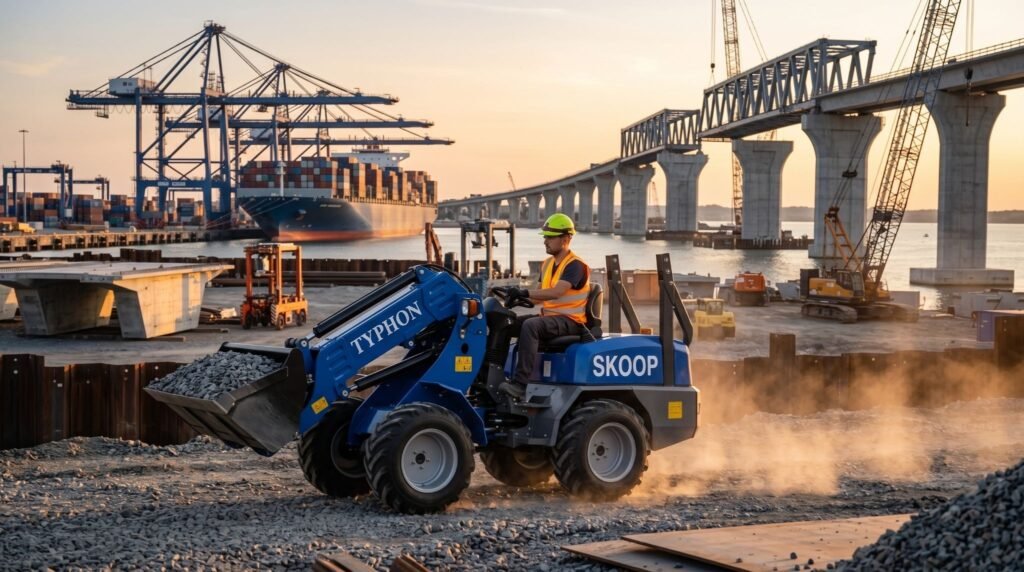
A loader with strong reach drops material into the center of the truck bed, spreading the load evenly and cutting the need for the driver to reposition. When reach falls short, the operator dumps toward the near wall, piles material on one side, and forces extra shuffling to balance the load.
That uneven loading slows the whole cycle. The truck may need repositioning, the operator makes more careful passes, and productivity dips. Good reach lets one clean dump do the work of two clumsy ones, keeping both the loader and the haul truck moving.
Match reach to how you actually load. If you approach trucks from the side, you need enough extension to clear the near wall and reach the far side of the bed. Confirm this geometry before you buy, not on the first day of the job.
Breakout Force at Height
Lifting high is only half the story. The bucket still has to hold and control material through the full arc, and that depends on breakout force and how the linkage carries a load at height. A machine that lifts well but loses grip near the top of the arc will spill or struggle with dense material like wet sand or crushed rock.
Z-bar and parallel-lift linkages handle this differently. Z-bar designs favor strong breakout force for digging and hard loading, while parallel-lift arms keep the bucket level through the lift, which helps with handling pallets and loose material. The right choice depends on whether you dig hard or mostly carry and place.
Think through your primary task before choosing linkage geometry. Digging into a stubborn pile asks for breakout muscle. Carrying material to a high dump asks for controlled, level lift. Matching the design to the work keeps loads secure all the way up.
Matching Lift Specs to Job Type
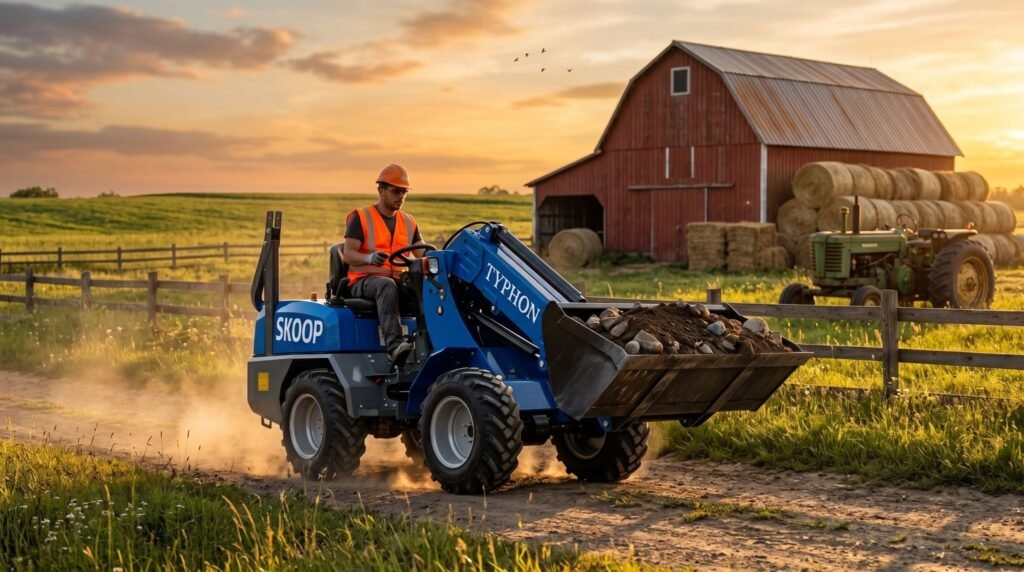
The best lift height is the one that fits your specific work. A recycling yard loading tall trailers has different needs than a farm scooping feed or a contractor filling dump trucks. Matching the spec to the job is what turns raw capability into real efficiency.
Consider the height of the trucks, bins, hoppers, or storage areas your loader will serve every day. Buying a machine with more lift than necessary can increase costs without adding value, while choosing one with insufficient lift can create constant operational delays and limit the types of jobs the machine can handle.
It’s also important to think about future workloads, not just current projects. If your business plans to handle larger hauling equipment or expand into different applications, selecting a wheel loader with slightly greater lift capability can provide flexibility and help avoid the expense of upgrading equipment sooner than expected.
Reading Your Load Targets
Start with the tallest and most frequent thing you load. Standard dump trucks, high-sided haul trucks, grain trailers, and material hoppers all sit at different heights, and your loader has to clear the ones you use most. Loading tall trailers all day demands more reach than filling low-sided trucks.
Frequency matters as much as height. If ninety percent of your work involves one truck type, size the machine to that target and treat the rare tall load as the exception. Buying maximum reach for a job you rarely do wastes money and fuel every single day the machine runs.
Write down your real load heights and how often each comes up. That simple list turns a guess into a decision and points you straight to the lift height that fits your operation.
Fitting the Machine to the Site
Lift height doesn’t work in isolation. Overhead clearance, doorways, covered bays, and low structures all cap how high you can safely raise the arms. A machine with huge reach is useless, and even dangerous, in a building with a low ceiling or near power lines.
Site conditions shape the choice as much as the load. Indoor recycling and warehouse work reward compact machines with controlled lift, while open quarries and aggregate yards reward taller reach. Guidance from resources like the U.S. Department of Transportation (DOT) on load handling and jobsite movement reinforces how much the working environment drives safe equipment selection.
Walk your site before you decide. Note every overhead limit and tight approach, then choose a lift height that clears your load targets while respecting the space you actually work in.
Conclusion
Loading efficiency starts with the right lift height for your trucks and your site. Dump clearance keeps your cycles clean and spill-free. Reach places material where it belongs in a single confident motion. And matching the spec to your job type turns capability into real output, hour after hour.
These specifications work best as a complete system, not as individual numbers. When lift height, dump clearance, and reach are matched to your application, you’ll complete loading cycles more efficiently, reduce material waste, and get more productive performance from your wheel loader every day.