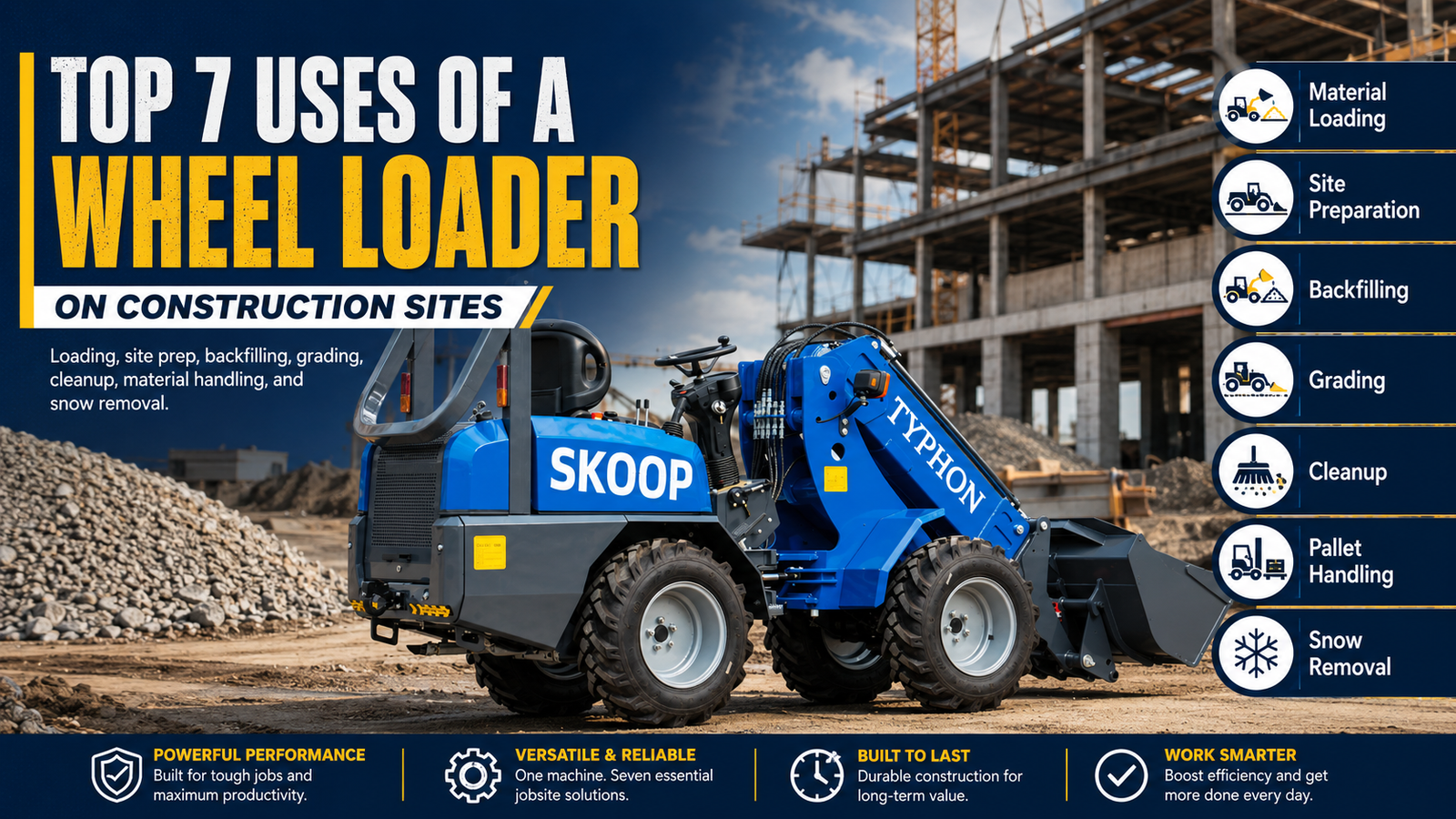
Top 7 Uses of a Wheel Loader on Construction Sites
Unlike smaller machines that may be limited by lifting height, bucket size, or ground conditions, a wheel loader gives operators strong visibility, solid power, and reliable material-handling performance. With the right attachment, one wheel loader can support many different jobs across construction, landscaping, roadwork, farming, and property maintenance.
In this guide, we will cover the top 7 uses of a wheel loader on construction sites and explain why this machine is a smart investment for contractors, builders, landscapers, and equipment owners.
1. Loading and Moving Materials
One of the most common uses of a wheel loader is loading and moving materials around a jobsite. Construction sites often need to move large amounts of soil, sand, gravel, crushed stone, mulch, debris, and other bulk materials. A wheel loader can scoop these materials with its front bucket and transport them quickly from one area to another.
This is especially useful when loading dump trucks, feeding materials into hoppers, moving aggregate piles, or preparing materials for roadwork and concrete jobs. Instead of using manual labor or smaller equipment that requires more trips, a wheel loader can handle larger loads in less time.
A wheel loader is helpful for:
- Loading dump trucks
- Moving gravel and sand
- Carrying soil across the site
- Transporting mulch or aggregate
- Feeding material into processing equipment
- Moving stockpiled material
For contractors, this means better jobsite productivity. The more efficiently materials move, the faster the project can continue.
2. Site Preparation and Land Clearing
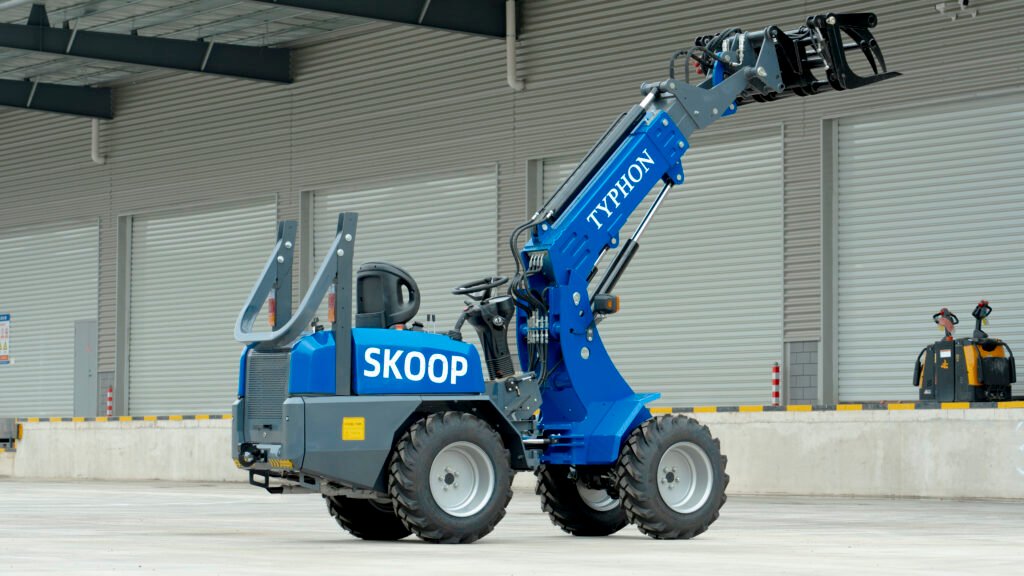
Before construction begins, the jobsite needs to be prepared. A wheel loader can help clear the area by removing loose soil, rocks, branches, trash, and construction debris. It can also help level rough ground and open up space for workers, trucks, and other heavy equipment.
During early site preparation, a wheel loader is often used to push, scoop, and carry unwanted materials away from the work area. This makes the site cleaner, safer, and easier to organize.
Wheel loaders are useful for site preparation tasks such as:
- Clearing loose debris
- Removing rocks and branches
- Moving dirt piles
- Cleaning access paths
- Preparing open work areas
- Supporting excavation teams
A clean and organized construction site improves safety and helps other machines work more efficiently. When the ground is blocked by debris or material piles, the job slows down. A wheel loader helps keep the site moving.
3. Backfilling Trenches and Excavated Areas
After excavation work is completed, trenches, foundations, and dug-out areas often need to be filled back in. This process is called backfilling. A wheel loader can carry soil, gravel, or sand to the excavated area and place it where needed.
Backfilling is common in utility work, foundation projects, drainage installation, pipe installation, and road construction. A wheel loader helps speed up this process by moving large amounts of fill material quickly.
A wheel loader can support backfilling by:
- Carrying fill material to trenches
- Spreading soil around foundations
- Moving gravel for drainage work
- Refilling excavated areas
- Supporting compacting equipment
For best results, operators should avoid overloading the bucket and should place material carefully. The loader should work with compactors or rollers when the job requires proper soil compaction.
4. Grading and Leveling Surfaces
A wheel loader can also help with rough grading and leveling. While a motor grader is more specialized for fine grading, a wheel loader is useful for spreading material, smoothing rough areas, and preparing surfaces before the final finish.
On construction sites, wheel loaders often help spread gravel, soil, or base material across roads, parking areas, building pads, and work zones. The front bucket can be used to push and distribute material evenly over the surface.
Common grading and leveling tasks include:
- Spreading gravel
- Leveling soil
- Preparing construction pads
- Smoothing rough jobsite areas
- Building temporary access roads
- Supporting road base preparation
This makes the wheel loader valuable for contractors who need a machine that can both move material and help shape the site.
5. Jobsite Cleanup and Debris Removal
Construction sites can become messy quickly. Broken materials, loose dirt, pallets, packaging, rocks, and waste can block access and create safety problems. A wheel loader helps clean the site by collecting and moving debris away from work areas.
With a bucket, rake, grapple, or other attachment, a wheel loader can handle different types of cleanup work. This is important during the project and at the end of the job when the site needs to be cleaned before handover.
Wheel loaders are useful for cleanup tasks like:
- Removing construction debris
- Carrying waste material
- Cleaning around buildings
- Moving broken concrete or asphalt
- Clearing access roads
- Organizing stockpile areas
A cleaner site improves safety and makes the project look more professional. It also helps trucks and workers move around with fewer delays.
6. Lifting and Carrying Pallets With Fork Attachments
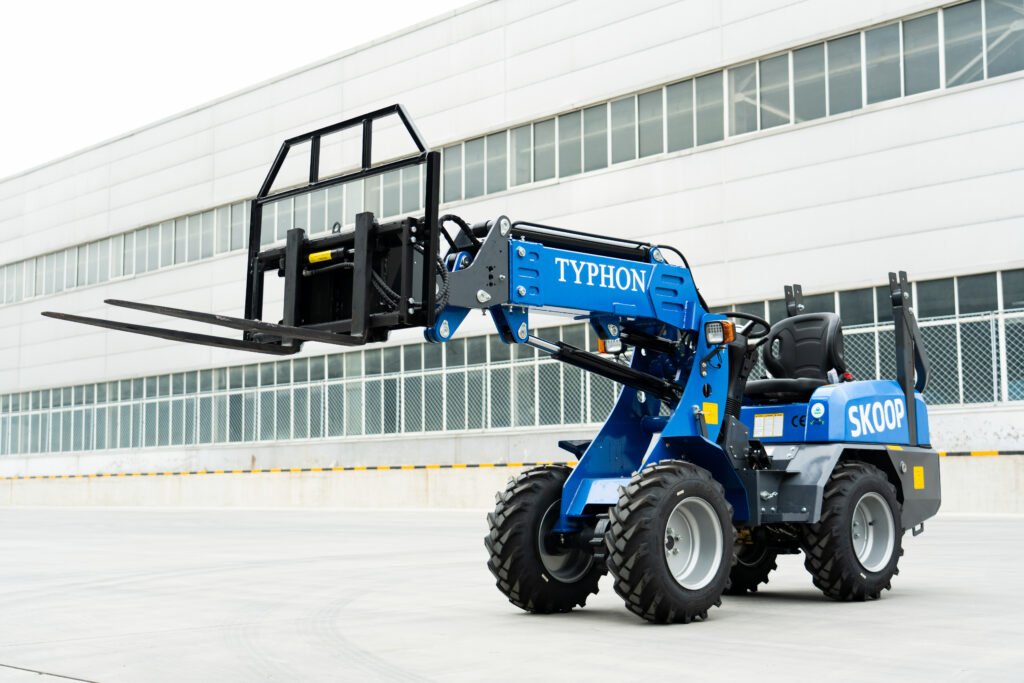
A wheel loader is not only for bucket work. With pallet fork attachments, it can lift and move palletized materials around the jobsite. This is helpful for moving bricks, blocks, bagged materials, pipe, lumber, concrete products, and other supplies.
On outdoor jobsites, a wheel loader can sometimes be more useful than a warehouse forklift because it has larger tires, better ground clearance, and stronger performance on rough terrain.
With pallet forks, a wheel loader can help move:
- Pallets of concrete blocks
- Bags of cement or sand
- Pipe and drainage materials
- Lumber and jobsite supplies
- Landscaping materials
- Packaged construction products
This makes the machine more versatile. Instead of using one machine for loading material and another for moving supplies, contractors can use a wheel loader with the right attachment to handle both jobs.
7. Snow Removal and Road Maintenance
In colder regions, a wheel loader is also useful for snow removal. With a bucket, snow pusher, or plow attachment, it can clear parking lots, construction entrances, access roads, material yards, and equipment storage areas.
Wheel loaders are strong enough to push large amounts of snow and can stack snow higher than many smaller machines. This is helpful for commercial lots, industrial yards, municipal work, and winter construction sites.
Wheel loaders can support snow and road maintenance by:
- Clearing snow from access roads
- Pushing snow from parking lots
- Stacking snow piles
- Moving salt or sand
- Cleaning material yards
- Maintaining safe entry points
Even outside winter work, wheel loaders are useful for road maintenance tasks such as moving gravel, cleaning shoulders, and supporting asphalt or road repair crews.
Why Wheel Loaders Are Valuable on Construction Sites
The biggest advantage of a wheel loader is versatility. One machine can handle many different jobs with the right attachment. It can load, carry, push, lift, clear, and clean. This helps contractors reduce downtime and get more value from one piece of equipment.
A wheel loader is valuable because it offers:
- Fast material handling
- Strong lifting ability
- Good operator visibility
- Multiple attachment options
- Reliable performance on outdoor jobsites
- Better productivity for heavy materials
- Useful support for many construction tasks
For small and mid-size contractors, a compact wheel loader can be especially helpful. It provides strong performance while still being easier to maneuver than larger machines.
Safety Tips When Using a Wheel Loader
Operators should also keep the bucket low while traveling, avoid sudden turns with heavy loads, watch for workers nearby, and never exceed the rated load capacity. When loading trucks, make sure the truck is stable and the work area is clear.
Important safety tips include:
- Always inspect the machine before operation
- Keep workers away from the loading area
- Travel with the bucket low
- Avoid overloading the machine
- Use the correct attachment for the job
- Watch for blind spots
- Operate slowly on slopes or rough ground
- Follow the manufacturer’s operating manual
Safe operation protects the operator, the crew, and the equipment.
Conclusion
A wheel loader is one of the most useful machines on a construction site. It can load trucks, move materials, prepare land, backfill trenches, level surfaces, clean debris, carry pallets, and even remove snow. With the right attachment, one wheel loader can handle many jobs that would otherwise require multiple machines or more manual labor.
For contractors, landscapers, farmers, builders, and property owners, a wheel loader can save time, improve productivity, and make daily work easier. Whether you need to move gravel, clean a site, load materials, or support roadwork, a wheel loader is a reliable machine that brings real value to the jobsite.
Looking for reliable construction machinery for your next project? Explore quality equipment at Machinery.org.
FAQ
What is a wheel loader used for?
A wheel loader is used for loading, carrying, moving, and dumping materials such as soil, gravel, sand, debris, mulch, and snow. It can also use attachments like pallet forks, rakes, grapples, and snow pushers.
Is a wheel loader good for construction sites?
Yes. A wheel loader is very useful on construction sites because it can move materials quickly, load trucks, clean debris, help with backfilling, and support grading work.
Can a wheel loader lift pallets?
Yes. With pallet fork attachments, a wheel loader can lift and move pallets of blocks, cement bags, lumber, pipe, and other construction materials.
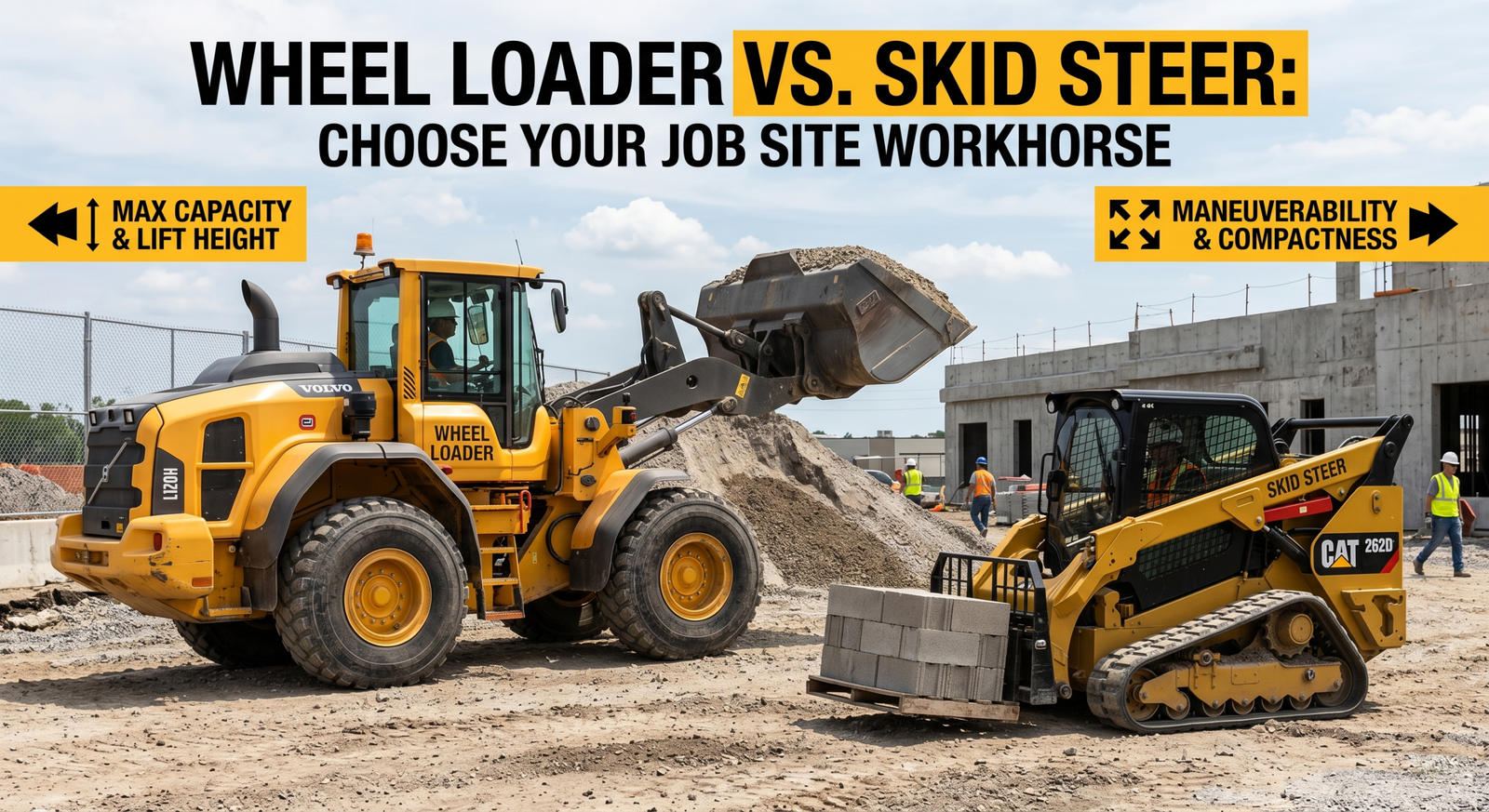
What is the difference between a wheel loader and a skid steer?
Can a wheel loader be used for snow removal?
Yes. A wheel loader can remove snow using a bucket, plow, or snow pusher attachment. It is commonly used for clearing parking lots, access roads, construction yards, and industrial sites.
What attachments can be used with a wheel loader?
Common wheel loader attachments include buckets, pallet forks, snow pushers, grapples, rakes, blades, sweepers, and material handling attachments.
Why should contractors use a wheel loader?
Contractors use wheel loaders because they save time, reduce manual labor, move heavy materials efficiently, and can handle many different jobs with one machine.