Compact vs Full-Size Wheel Loaders: Which Should You Buy?
In the vast and varied world of heavy machinery, wheel loaders stand out as indispensable workhorses. From construction sites to agricultural fields, quarries to landscaping projects, these versatile machines are pivotal for moving, lifting, and loading a multitude of materials. But if you’re in the market for a wheel loader, you’ll quickly discover a fundamental choice that can significantly impact your operations: do you opt for a compact model or a full-size behemoth? This isn’t merely a question of size; it’s a decision that affects everything from maneuverability and fuel efficiency to lifting capacity and overall cost of ownership.
Navigating the specifications, capabilities, and ideal applications for each type can be daunting, especially if you’re new to the heavy equipment landscape or looking to optimize your existing fleet. Many project managers, business owners, and even individual contractors find themselves at this crossroads, weighing the pros and cons to ensure their investment aligns perfectly with their operational needs. A compact loader might seem appealing for its agility and lower upfront cost, while a full-size model promises unparalleled power and productivity. But which one truly delivers the best value and performance for your specific requirements?
This comprehensive guide is designed to demystify the differences between compact and full-size wheel loaders. We’ll delve deep into their core characteristics, explore their unique benefits, and provide practical insights to help you make an informed decision. Whether you’re a seasoned professional looking to expand your fleet or a newcomer trying to understand the basics, prepare to gain a clear understanding of these powerful machines and discover which one is the right fit for your next big project. Let’s dig in!
1. What is Compact vs Full-Size Wheel Loaders?
At its core, the distinction between compact and full-size wheel loaders lies primarily in their physical dimensions, engine power, and operational capabilities. However, this simple size difference cascades into a multitude of implications for their performance, applications, and overall suitability for various tasks. Understanding these fundamental differences is the first step in making an informed purchasing or rental decision.
1.1 Compact Wheel Loaders: The Agile Workhorses
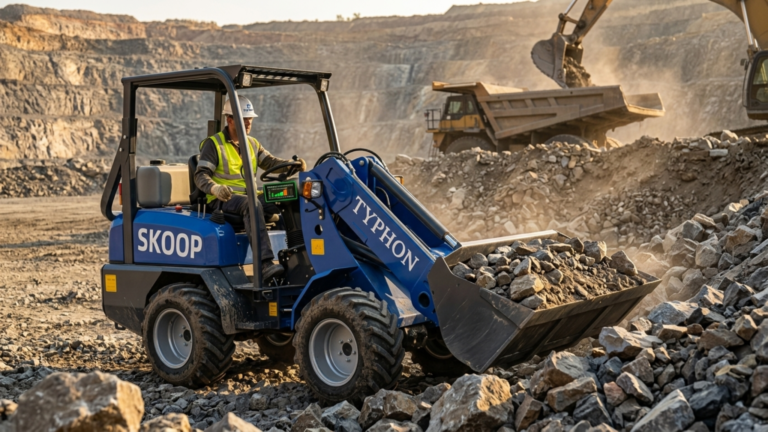
Compact wheel loaders, often referred to as small wheel loaders or mini wheel loaders, are characterized by their smaller footprint, lighter operating weight, and typically lower horsepower engines. While there isn’t a universally agreed-upon strict definition, they generally fall within an operating weight range of 5,000 to 20,000 pounds (2,200 to 9,000 kg) and boast engine power from 30 to 100 horsepower. Their bucket capacities are commensurately smaller, usually ranging from 0.5 to 2.0 cubic yards.
Key Characteristics of Compact Wheel Loaders:
- Size & Weight: Significantly smaller and lighter than their full-size counterparts. This allows for easier transport, often without the need for specialized permits, and reduces ground pressure, making them suitable for sensitive surfaces.
- Engine Power: Equipped with smaller, more fuel-efficient engines. While this means less raw power, it translates to lower operating costs and reduced emissions.
- Maneuverability: Their compact dimensions and articulated steering systems provide exceptional agility in tight spaces. They can navigate crowded job sites, narrow pathways, and urban environments with ease.
- Attachment Versatility: Modern compact wheel loaders are designed to be highly versatile, often featuring quick-coupler systems that allow for rapid attachment changes. They can be fitted with a wide array of tools beyond just buckets, including forks, grapples, brooms, snow blowers, augers, and even trenchers, making them multi-functional machines.
- Operator Comfort & Controls: While smaller, many compact models now offer surprisingly comfortable cabs with intuitive controls, often mimicking those found in larger machines, making them easy for operators to transition to.
Typical Applications for Compact Wheel Loaders: Compact wheel loaders excel in environments where space is at a premium or where heavy lifting isn’t the primary requirement. They are a staple in:
- Landscaping: Moving mulch, soil, gravel, and decorative stones; grading small areas.
- Agriculture: Feeding livestock, clearing stalls, moving hay bales, light material handling around farms.
- Construction (Residential/Light Commercial): Loading trucks with aggregates, site cleanup, moving pallets of materials, utility work.
- Municipalities: Snow removal, street sweeping, park maintenance, material handling at waste transfer stations.
- Nurseries & Greenhouses: Moving potted plants, soil mixes, and other horticultural materials.
1.2 Full-Size Wheel Loaders: The Powerhouses of Productivity
Full-size wheel loaders, also known as large wheel loaders or production wheel loaders, are built for heavy-duty applications demanding significant power, lifting capacity, and reach. These machines typically have operating weights ranging from 20,000 pounds (9,000 kg) all the way up to over 100,000 pounds (45,000 kg) or more, with engine horsepower easily exceeding 100 HP, often reaching several hundred horsepower. Their bucket capacities start around 2.0 cubic yards and can go up to 20 cubic yards or even larger for mining applications.
Key Characteristics of Full-Size Wheel Loaders:
- Size & Weight: Substantially larger and heavier, designed for stability and power when handling massive loads. Their size necessitates specialized transport and often requires more space to operate.
- Engine Power & Hydraulics: Equipped with robust, high-horsepower engines and powerful hydraulic systems. This provides immense breakout force, lift capacity, and fast cycle times, crucial for high-volume material handling.
- Lifting Capacity & Reach: Capable of lifting and loading significantly heavier and larger volumes of material into high-sided trucks, hoppers, or crushers. Their extended reach is a major advantage in such scenarios.
- Durability & Longevity: Built with heavier-duty components and reinforced structures to withstand the rigors of continuous, demanding work environments.
- Operator Environment: Often feature more spacious, advanced cabs with sophisticated controls, climate control, and superior visibility, designed for long shifts and operator comfort.
- Specialized Attachments: While also versatile, their attachments are typically larger and designed for specific heavy-duty tasks, such as rock buckets, high-dump buckets, or specialized grapples for timber.
Typical Applications for Full-Size Wheel Loaders: Full-size wheel loaders are the go-to choice for operations where sheer power and high productivity are paramount. They dominate industries such as:
- Quarries & Mining: Loading blasted rock into haul trucks, feeding crushers, managing aggregate stockpiles.
- Large-Scale Construction: Moving vast quantities of earth, sand, gravel, and debris on major infrastructure projects (roads, dams, commercial buildings).
- Waste Management & Recycling: Handling large volumes of municipal solid waste, recycling materials, and feeding compactors.
- Port Operations: Loading and unloading bulk cargo from ships, managing large stockpiles of commodities.
- Forestry: Loading logs onto trucks at logging sites or sawmills.
In essence, the choice between compact and full-size wheel loaders boils down to the scale and nature of your work. Compact loaders offer agility, versatility, and efficiency for smaller, more confined tasks, while full-size loaders provide the brute strength and capacity needed for high-volume, heavy-duty operations. Understanding these foundational differences is crucial before diving into the specific benefits and considerations for each.
2. Key Benefits
The advantages of choosing either a compact or a full-size wheel loader are directly tied to their inherent design and capabilities. Recognizing these benefits in the context of your specific operational needs is critical for maximizing efficiency, minimizing costs, and ensuring project success. Let’s break down the distinct advantages each type offers.
2.1 Benefits of Compact Wheel Loaders
Compact wheel loaders bring a unique set of advantages to the table, making them invaluable assets for a wide range of businesses, particularly those operating in confined spaces or with diverse material handling requirements.
2.1.1 Enhanced Maneuverability and Access
One of the most significant benefits of compact wheel loaders is their exceptional agility. Their smaller frame and articulated steering allow them to turn sharply and navigate tight corners with ease. This is a game-changer in urban construction sites, residential landscaping projects, crowded farmyards, or even inside warehouses and greenhouses where space is limited. They can access areas that larger machines simply cannot, reducing the need for manual labor in awkward spots and increasing overall site efficiency. For instance, a landscaper working on a backyard renovation can easily maneuver a compact loader around existing structures, trees, and fences, whereas a full-size loader would be impractical or impossible to use.
2.1.2 Lower Operating Costs
Compact loaders are generally more fuel-efficient than their larger counterparts. Their smaller engines consume less fuel per hour, leading to substantial savings over time, especially with fluctuating fuel prices. Furthermore, maintenance costs tend to be lower due to smaller components and less complex systems. Tires, filters, and other wear parts are typically less expensive to replace. This makes them an economically attractive option for businesses looking to keep operational expenses in check. A small construction company might find that the fuel savings from a compact loader allow them to bid more competitively on smaller projects.
2.1.3 Versatility Through Attachments
Modern compact wheel loaders are designed to be true multi-taskers. With quick-coupler systems, operators can rapidly switch between a wide array of attachments, transforming the machine for different jobs within minutes. Beyond standard buckets, they can be equipped with pallet forks for moving materials, grapples for brush clearing, snow blowers for winter maintenance, brooms for site cleanup, augers for drilling holes, and even trenchers for utility work. This versatility means a single compact loader can replace several specialized machines, reducing capital expenditure and maximizing machine utilization. Imagine a municipal crew using one compact loader for snow removal in winter, then switching to a broom for street cleaning in spring, and finally using a bucket for park maintenance in summer.
2.1.4 Easier Transport and Reduced Logistics
The lighter weight and smaller dimensions of compact wheel loaders simplify transportation. Many models can be transported on a standard trailer towed by a heavy-duty pickup truck, eliminating the need for specialized heavy-haul trucks and permits. This reduces transportation costs and allows for quicker mobilization between job sites. For a contractor with multiple small projects spread across a region, the ability to quickly move their loader from one site to another without significant logistical hurdles is a major advantage. This also means less downtime waiting for transport arrangements.
2.2 Benefits of Full-Size Wheel Loaders
When the job demands sheer power, high volume, and unwavering performance, full-size wheel loaders step in as the undisputed champions. Their benefits are centered around maximizing productivity and tackling the most challenging material handling tasks.
2.2.1 Superior Lifting Capacity and Breakout Force
The primary advantage of a full-size wheel loader is its immense power. Equipped with larger engines and robust hydraulic systems, they offer significantly higher lifting capacities and breakout forces. This allows them to effortlessly scoop, lift, and load massive quantities of dense materials like blasted rock, heavy aggregates, or large volumes of waste. For operations like quarrying, mining, or large-scale construction, where moving tons of material quickly is paramount, this power translates directly into higher productivity and faster project completion times. A full-size loader can fill a 40-ton haul truck in just a few passes, a task that would be impossible or extremely time-consuming for a compact machine.
2.2.2 Higher Productivity and Faster Cycle Times
With their larger buckets, greater lifting capacity, and faster hydraulic speeds, full-size wheel loaders are built for high-volume production. They can move more material per cycle, reducing the number of passes required to complete a task. This leads to faster cycle times and significantly higher hourly throughput. In aggregate yards or large construction sites, where material needs to be moved continuously, these machines are essential for keeping operations flowing smoothly and meeting tight deadlines. Their ability to handle large stockpiles and load high-sided trucks efficiently makes them indispensable for large-scale material handling.
2.2.3 Durability and Robustness for Demanding Environments
Full-size wheel loaders are engineered for extreme durability. Their frames are heavily reinforced, and their components are designed to withstand constant stress, impact, and heavy loads in harsh environments. This robustness ensures a longer service life and greater reliability, even when operating in quarries, landfills, or other abrasive conditions. They are built to take a beating and keep performing, minimizing downtime due to breakdowns. This makes them a reliable investment for businesses that cannot afford interruptions to their high-production operations.
2.2.4 Greater Reach and Dump Height
The larger boom and linkage systems of full-size wheel loaders provide superior reach and dump height. This is crucial when loading material into very tall haul trucks, feeding large hoppers, or creating high stockpiles. Their ability to clear the sides of large vehicles with ease prevents damage and ensures efficient loading. In a mining operation, for example, a full-size loader can reach over the high walls of massive dump trucks, ensuring even distribution of material and maximizing payload.
In summary, compact wheel loaders offer agility, versatility, and cost-efficiency for smaller-scale, diverse tasks in confined spaces. Full-size wheel loaders, on the other hand, are the epitome of power and productivity, designed to handle the heaviest loads and highest volumes in demanding, large-scale operations. The choice hinges on aligning these inherent benefits with the specific demands of your projects.
3. How to Get Started
Choosing the right wheel loader, whether compact or full-size, is a significant investment that requires careful consideration. It’s not just about picking the biggest or smallest machine; it’s about matching the equipment to your specific needs, budget, and operational environment. Getting started involves a structured approach to evaluation and decision-making.
3.1 Assess Your Project Needs and Scope
Before you even look at a brochure, take a deep dive into the specifics of your projects. This foundational step is crucial for narrowing down your options.
3.1.1 Material Type and Density
What materials will you be primarily moving? Are you dealing with light, loose materials like mulch, topsoil, or wood chips? Or are you handling dense, abrasive materials such as sand, gravel, crushed rock, or even blasted quarry stone? The density and abrasiveness of the material directly impact the required breakout force, bucket capacity, and the durability of the machine’s components.
- Example: A landscaping business moving decorative stones and soil will have vastly different requirements than a quarry operation loading granite into haul trucks. Compact loaders are excellent for lighter materials, while full-size loaders are essential for heavy, dense loads.
3.1.2 Required Lifting Capacity and Reach
How much weight do you need to lift in a single scoop, and how high do you need to lift it? Consider the height of the trucks, hoppers, or stockpiles you’ll be loading.
- Example: If you’re loading standard dump trucks with 10-15 tons of material, a mid-sized compact loader might suffice. However, if you’re feeding a large crusher or loading 40-ton articulated dump trucks, a full-size loader with significant lift capacity and dump height is non-negotiable.
3.1.3 Site Constraints and Space Availability
This is a critical factor. Are you working in tight urban environments, narrow farm lanes, or sprawling open fields?
- Example: A construction site in a bustling city center with limited access and pedestrian traffic will favor the maneuverability of a compact wheel loader. Conversely, a vast aggregate yard or a mining pit offers ample space for a full-size loader to operate efficiently without hindrance. Consider turning radius, machine width, and overall footprint.
3.1.4 Daily/Weekly Volume Requirements
How much material do you need to move in a given period? This directly relates to productivity and cycle times.
- Example: A small landscaping job might only require moving a few hundred cubic yards over a week. A large infrastructure project or a busy quarry might need to move thousands of tons daily. High-volume operations demand the speed and capacity of a full-size loader to meet production targets.
3.2 Consider Your Budget and Cost of Ownership
Beyond the initial purchase price, a comprehensive understanding of the total cost of ownership (TCO) is vital.
3.2.1 Purchase Price vs. Rental Costs
Evaluate whether buying or renting makes more sense for your business model.
- Purchase: Offers long-term asset ownership, potential for resale value, and immediate availability. However, it requires a significant upfront capital investment.
- Rental: Ideal for short-term projects, fluctuating demand, or when trying out different models. It reduces upfront costs, eliminates maintenance responsibilities, and provides flexibility.
- Guidance: For intermittent use or specialized tasks, renting a full-size loader might be more economical than purchasing one. For consistent, daily use, purchasing a compact loader might be a better long-term investment.
3.2.2 Fuel Efficiency and Operating Expenses
Compact loaders generally offer better fuel economy due to smaller engines. Factor in current and projected fuel prices. Also, consider the cost of routine maintenance, consumables (filters, oil), and wear parts (tires, bucket teeth). Full-size loaders, while more powerful, will have higher fuel consumption and more expensive parts.
3.2.3 Maintenance and Downtime
Consider your in-house maintenance capabilities or the availability of dealer support. Downtime can be costly, especially for high-production machines. Full-size loaders, with their complex systems, might require specialized technicians. Compact loaders might be easier to service.
3.2.4 Insurance and Transportation Costs
Larger, more expensive machines will incur higher insurance premiums. As mentioned earlier, full-size loaders often require specialized transport, adding to logistical costs.
3.3 Explore Features, Attachments, and Technology
Modern wheel loaders, regardless of size, come equipped with a range of features and technologies that can enhance productivity, safety, and operator comfort.
3.3.1 Attachment Versatility
As discussed, compact loaders excel here. If your work involves multiple tasks (loading, sweeping, digging, lifting pallets), a compact loader with a quick-coupler and a range of attachments can be a single, versatile solution. Full-size loaders also have attachments, but they are typically geared towards heavy-duty, specific tasks.
3.3.2 Operator Comfort and Ergonomics
For operators spending long hours in the cab, comfort is key to productivity and safety. Look for features like air conditioning, ergonomic controls (joystick vs. steering wheel), adjustable seats, and good visibility. Many modern machines offer advanced telematics and monitoring systems.
3.3.3 Safety Features
Consider backup cameras, warning systems, LED lighting, and ROPS/FOPS certified cabs. Safety should always be a top priority, regardless of machine size.
3.3.4 Technology Integration
Telematics systems (GPS tracking, remote diagnostics, fuel consumption monitoring) can provide valuable data for fleet management and predictive maintenance. Ride control systems can improve stability and material retention when traveling over rough terrain.
By systematically addressing these points, you can move from a general interest in wheel loaders to a clear understanding of which type – compact or full-size – best suits your operational demands and financial parameters. This structured approach ensures a well-informed decision that supports your business goals.
4. Best Practices
Once you’ve made the crucial decision between a compact and a full-size wheel loader, implementing best practices in operation, maintenance, and fleet management is essential to maximize your investment. These practices ensure safety, extend machine life, optimize fuel efficiency, and boost overall productivity.
4.1 For Compact Wheel Loaders
Operating compact wheel loaders effectively requires leveraging their agility and versatility while being mindful of their capacity limitations.
4.1.1 Maximize Attachment Utilization
The true power of a compact wheel loader lies in its ability to quickly swap attachments. Invest in a range of suitable attachments for your diverse tasks.
- Practical Detail: Instead of having a dedicated skid steer for pallet moving, a compact loader with pallet forks can handle the task, freeing up the skid steer for other duties or eliminating the need for an additional machine. Regularly inspect quick couplers and hydraulic lines for wear to ensure safe and efficient attachment changes.
- Internal Link Suggestion: For a deeper dive into attachment options, consider exploring our “Compact Wheel Loaders resources” page.
4.1.2 Optimize Maneuverability in Tight Spaces
Compact loaders are designed for agility. Train operators to utilize their articulated steering for efficient turns and precise material placement.
- Practical Detail: When working in confined areas, plan your movements to minimize unnecessary reversing and repositioning. Use the machine’s small footprint to your advantage by approaching stockpiles or trucks from angles that reduce travel distance and cycle time. For example, when loading a small truck in a residential driveway, approach from the side that allows for a single, smooth loading motion rather than multiple adjustments.
4.1.3 Respect Load Capacities
While versatile, compact loaders have lower lifting and tipping capacities than full-size models. Overloading can lead to instability, machine damage, and safety hazards.
- Practical Detail: Always be aware of the machine’s rated operating capacity (ROC) and static tipping load. Use a scale if necessary for precise material weights. For instance, if moving heavy, dense material like wet sand, opt for a smaller bucket size or partial fills to stay within safe limits, even if the bucket looks like it could hold more.
4.1.4 Implement Regular Maintenance Checks
Due to their frequent use in varied conditions and with multiple attachments, compact loaders benefit greatly from consistent preventative maintenance.
- Practical Detail: Daily walk-arounds to check fluid levels, tire pressure, and hydraulic hoses are crucial. Pay extra attention to attachment pins and bushings, as these can wear quickly with frequent changes. Adhere strictly to the manufacturer’s service schedule for oil changes, filter replacements, and lubrication.
4.2 For Full-Size Wheel Loaders
Operating full-size wheel loaders is about harnessing their immense power and capacity for maximum productivity in demanding environments.
4.2.1 Master Loading Techniques for Efficiency
Proper loading techniques are paramount for maximizing the productivity of a full-size wheel loader.
- Practical Detail: Train operators in V-pattern loading or straight-line loading techniques to minimize travel distance and cycle times when loading trucks. Encourage smooth, controlled movements rather than jerky actions, which can reduce fuel efficiency and increase wear. For example, when loading a haul truck, position the loader to approach the stockpile, fill the bucket in a single, smooth pass, reverse, and then articulate to dump into the truck, minimizing unnecessary maneuvers.
4.2.2 Prioritize Tire Management
Tires are a significant cost factor for full-size wheel loaders, especially in abrasive environments like quarries. Proper tire care can save substantial money.
- Practical Detail: Maintain correct tire pressure, rotate tires regularly, and inspect for cuts, punctures, and excessive wear. Train operators to avoid spinning tires, which causes rapid wear and reduces traction. Consider tire protection chains or specialized tires for extremely harsh conditions. For instance, in a quarry, a tire monitoring system can alert operators to low pressure before it causes irreversible damage.
4.2.3 Adhere to Strict Safety Protocols
Given their size and power, full-size wheel loaders pose significant safety risks if not operated correctly.
- Practical Detail: Implement strict site safety rules, including clear communication protocols, designated traffic lanes, and mandatory use of personal protective equipment (PPE). Ensure operators are fully trained and certified. Utilize safety features like backup cameras, proximity sensors, and audible alarms. For example, always ensure a spotter is present when operating in areas with limited visibility or near other personnel and equipment.
4.2.4 Leverage Telematics and Data Analytics
Many full-size loaders come equipped with advanced telematics systems. Utilizing this data can lead to significant operational improvements.
- Practical Detail: Monitor fuel consumption, idle times, fault codes, and machine location. This data can help identify inefficient operating habits, schedule predictive maintenance, and optimize fleet deployment. For example, analyzing idle time reports can help identify opportunities to train operators on proper shutdown procedures, saving fuel and reducing engine wear.
4.3 General Best Practices for All Wheel Loaders
Regardless of size, certain best practices apply universally to all wheel loaders to ensure longevity, safety, and optimal performance.
4.3.1 Comprehensive Operator Training
Well-trained operators are safer, more efficient, and cause less wear and tear on equipment.
- Practical Detail: Invest in ongoing training that covers machine operation, safety procedures, attachment usage, and basic troubleshooting. Even experienced operators can benefit from refresher courses on new technologies or specific site conditions.
4.3.2 Implement a Robust Preventative Maintenance Program
Regular, scheduled maintenance is the backbone of equipment longevity and reliability.
- Practical Detail: Follow manufacturer recommendations for all service intervals. Keep detailed maintenance logs for each machine. Proactive maintenance, such as fluid analysis, can detect potential issues before they become costly breakdowns.
4.3.3 Site Management and Planning
Efficient site layout and planning can significantly impact loader productivity and safety.
- Practical Detail: Design clear traffic routes, designate loading/unloading zones, and ensure adequate lighting. Proper stockpile management (e.g., maintaining stable slopes, preventing contamination) makes material handling more efficient.
4.3.4 Environmental Considerations
Be mindful of environmental impact and regulations.
- Practical Detail: Ensure machines meet emissions standards, manage fluid spills responsibly, and minimize noise pollution, especially in residential areas. Utilizing fuel-efficient operating practices also contributes to environmental stewardship.
By integrating these best practices into your operations, you can ensure that your compact or full-size wheel loader performs at its peak, contributing positively to your project timelines and bottom line.
5. Frequently Asked Questions
When considering an investment in a wheel loader, many common questions arise. Here, we address some of the most frequent inquiries to provide further clarity on the differences and applications of compact versus full-size models.
5.1 What is the primary difference between compact and full-size wheel loaders?
The primary difference lies in their size, operating weight, engine power, and lifting capacity.
- Compact wheel loaders are smaller, lighter, have lower horsepower engines (typically 30-100 HP), and smaller bucket capacities (0.5-2.0 cubic yards). They excel in maneuverability, fuel efficiency, and versatility with various attachments.
- Full-size wheel loaders are significantly larger, heavier, boast powerful engines (100+ HP, often several hundred), and much larger bucket capacities (2.0-20+ cubic yards). They are built for immense lifting capacity, breakout force, and high-volume production.
5.2 How does the size difference impact their work capabilities?
The size difference dictates their ideal work capabilities:
- Compact loaders are best suited for tasks requiring agility, precision, and access to confined spaces. They are excellent for landscaping, residential construction, farm work, and municipal tasks where moving moderate amounts of material efficiently is key. Their versatility with attachments allows them to perform multiple jobs.
- Full-size loaders are designed for heavy-duty, high-volume material handling. They are indispensable in quarries, mining operations, large-scale construction, and waste management where moving massive quantities of dense materials into large trucks or hoppers quickly is the main objective. Their power and reach are unmatched for these applications.
5.3 What are the main benefits of choosing a compact wheel loader?
The main benefits of compact wheel loaders include:
- Enhanced Maneuverability: Excellent for tight spaces, urban areas, and residential sites.
- Lower Operating Costs: More fuel-efficient and generally cheaper to maintain.
- High Versatility: Can be fitted with numerous attachments (forks, brooms, augers, snow blowers) for diverse tasks.
- Easier Transport: Often transportable on standard trailers without special permits.
- Reduced Ground Pressure: Better for sensitive surfaces like lawns or paved areas.
5.4 What are the main benefits of choosing a full-size wheel loader?
The main benefits of full-size wheel loaders include:
- Superior Lifting Capacity & Breakout Force: Can handle extremely heavy and dense materials with ease.
- Higher Productivity: Larger buckets and faster cycle times mean moving more material per hour.
- Greater Reach & Dump Height: Ideal for loading high-sided trucks, crushers, and creating tall stockpiles.
- Exceptional Durability: Built to withstand continuous, demanding work in harsh environments.
- Faster Project Completion: Essential for large-scale operations with tight deadlines.
5.5 How does fuel consumption compare between the two types?
Generally, compact wheel loaders are significantly more fuel-efficient than full-size models. Their smaller engines consume less fuel per hour of operation. While a compact loader might consume 1-3 gallons per hour, a full-size loader could easily consume 5-15 gallons per hour or more, depending on its size and workload. This difference in fuel consumption contributes substantially to the overall operating costs.
5.6 Can a compact wheel loader replace a skid steer?
In many applications, yes, a compact wheel loader can be a viable alternative or even superior to a skid steer loader. Compact wheel loaders often offer better visibility, a smoother ride (due to articulated steering and often larger tires), and higher lifting capacities for their size compared to skid steers. They also tend to be more fuel-efficient. However, skid steers still have an advantage in extremely confined spaces due to their zero-turn radius and are often preferred for certain ground-engaging tasks like trenching or grading with a box blade. The choice often depends on the specific tasks and operator preference.
5.7 What should I consider regarding transportation for each type of loader?
Compact wheel loaders are generally much easier and cheaper to transport. Many models can be hauled on a standard utility trailer pulled by a heavy-duty pickup truck, avoiding the need for specialized transport services, permits, and escorts. Full-size wheel loaders, due to their significant weight and dimensions, almost always require specialized heavy-haul trucking. This involves higher transportation costs, permits, route planning, and often pilot cars, adding considerable logistical complexity and expense, especially when moving between distant job sites.
Conclusion
The decision between a compact and a full-size wheel loader is a pivotal one that can profoundly impact the efficiency, cost-effectiveness, and overall success of your operations. As we’ve explored, these machines, while both designed for material handling, serve distinctly different purposes and excel in varying environments.
Compact wheel loaders are the champions of agility, versatility, and cost-efficiency. They are the ideal choice for businesses operating in confined spaces, requiring multi-functional capabilities, and seeking to minimize operational expenses. From landscaping and residential construction to agricultural tasks and municipal maintenance, their ability to navigate tight spots and adapt to diverse jobs with a range of attachments makes them an invaluable asset.
On the other hand, full-size wheel loaders are the undisputed titans of power and productivity. When your projects demand immense lifting capacity, high-volume material movement, and unwavering performance in the most challenging conditions, these machines deliver. They are the backbone of quarries, mining operations, large-scale infrastructure projects, and waste management facilities, where their sheer strength and speed are critical for meeting demanding production targets.
Ultimately, the “right” choice isn’t about which machine is inherently better, but which one is the perfect fit for your specific needs. By meticulously assessing your project scope, material types, site constraints, budget, and desired productivity levels, you can make an informed decision that optimizes your investment. Remember to consider not just the upfront cost, but also the long-term operating expenses, maintenance requirements, and the potential for increased efficiency and safety.
Empower your operations with the right equipment.