Payloader vs Wheel Loader: Unearthing the Differences in Heavy Equipment
Payloader vs Wheel Loader
In the vast and dynamic world of heavy machinery, where colossal machines shape landscapes, construct infrastructure, and move mountains of materials, two terms often surface, sometimes interchangeably, sometimes with subtle distinctions: “Payloader” and “Wheel Loader.” For those outside the construction, mining, agriculture, or waste management industries, these names might sound like synonyms for any large, front-end loading vehicle. However, for professionals and enthusiasts alike, understanding the nuances between them is crucial for efficient operations, optimal equipment selection, and maximizing productivity.
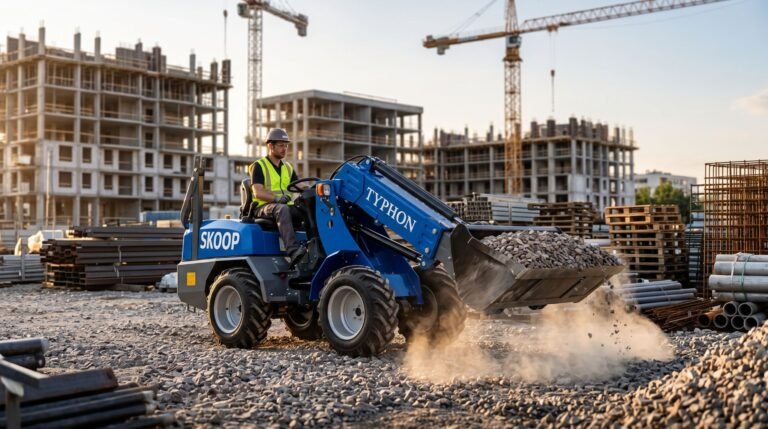
Imagine a construction site, a bustling quarry, or a sprawling farm. You’ll likely spot a robust machine with a massive front-mounted bucket, scooping up earth, gravel, or feed, and then lifting and dumping it with impressive power. This is the essence of a wheel loader. But is it a payloader? And if so, what makes it different, or are they truly one and the same? This comprehensive guide aims to demystify these powerful machines, delving deep into their identities, functionalities, benefits, and applications. Whether you’re a seasoned operator, a project manager, a business owner looking to invest, or simply curious about the giants that build our world, join us as we unearth the true meaning of “Payloader vs Wheel Loader” and equip you with the knowledge to navigate their powerful presence.
What is Payloader vs Wheel Loader?
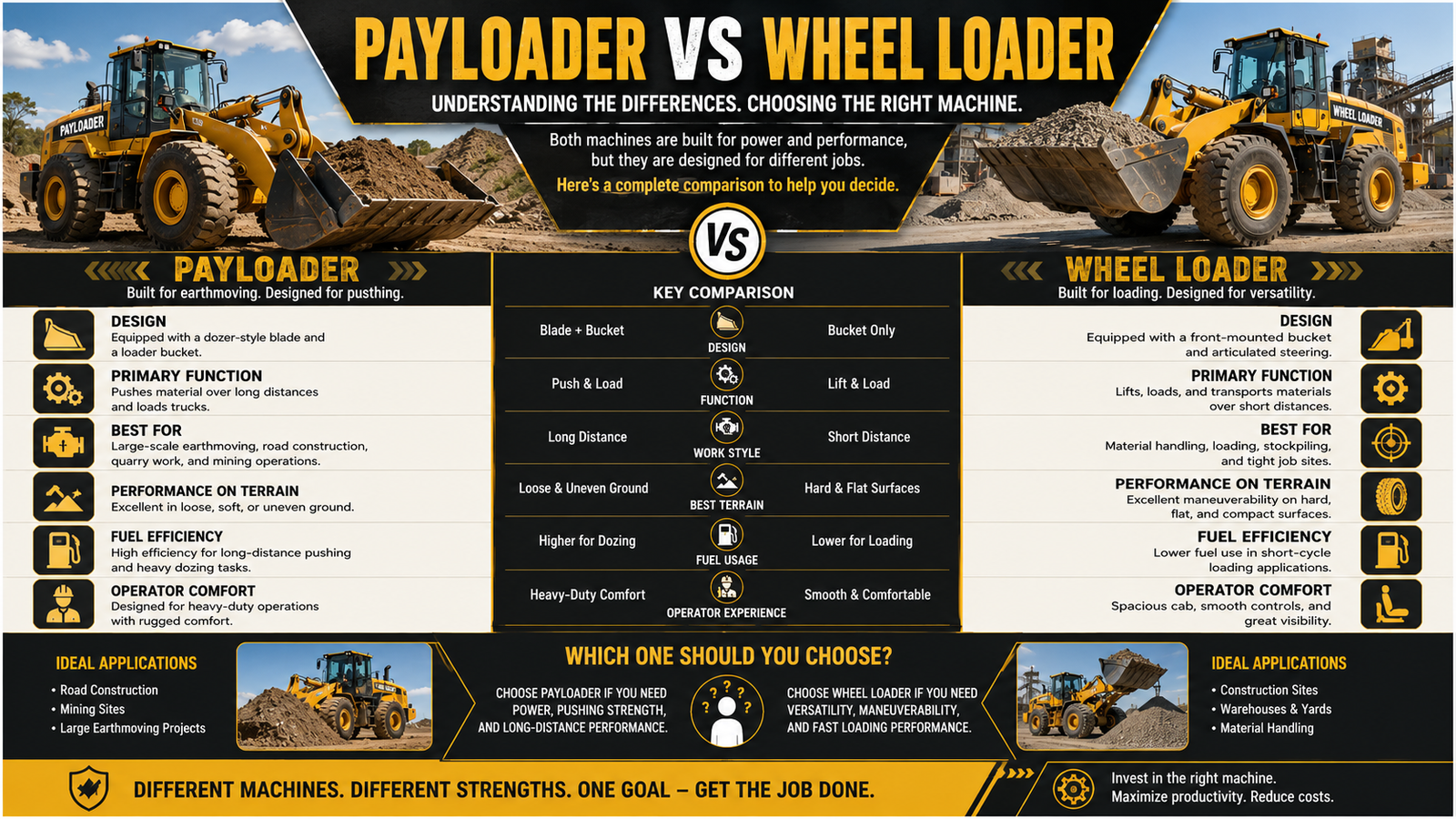
At its core, the distinction between “Payloader” and “Wheel Loader” is largely a matter of terminology, regional usage, and historical context rather than a fundamental difference in machine type. In most practical applications and industry parlance, a “Payloader” is simply another name for a “Wheel Loader.” Both terms refer to the same type of heavy equipment: a self-propelled, wheeled machine with a front-mounted bucket, designed primarily for scooping, lifting, and loading loose materials such as sand, gravel, soil, asphalt, demolition debris, snow, and various aggregates.
The term “Payloader” originated as a brand name. International Harvester, a prominent manufacturer of agricultural and construction equipment, developed and marketed its line of wheel loaders under the “Payloader” brand. Over time, much like “Kleenex” became synonymous with facial tissues or “Xerox” with photocopiers, “Payloader” became a genericized trademark in many regions, particularly North America, to refer to any wheel loader, regardless of its manufacturer. This phenomenon is common in industries where a dominant brand’s product achieves widespread recognition.
A Wheel Loader, on the other hand, is the more universally accepted and descriptive term for this class of machinery. It accurately describes the machine’s primary characteristics: it moves on wheels (distinguishing it from track loaders) and its main function is loading. Manufacturers like Caterpillar (CAT), Komatsu, Volvo, John Deere, Liebherr, and many others produce a wide range of wheel loaders, from compact utility models to massive mining loaders.
Key Characteristics of a Wheel Loader (or Payloader):
- Wheeled Mobility: They operate on rubber tires, offering excellent mobility, speed, and maneuverability on paved surfaces, compacted ground, and even rough terrain. This contrasts with track loaders, which are slower but offer superior traction and stability on very soft or uneven ground.
- Front-Mounted Bucket: The defining feature is the large, hydraulically operated bucket at the front, designed for scooping, lifting, and dumping materials.
- Articulated Steering (common): Many larger wheel loaders feature articulated steering, where the machine bends in the middle. This allows for a tighter turning radius and enhanced maneuverability in confined spaces. Smaller models might have rigid frames with rear-wheel steering.
- Powerful Hydraulics: A robust hydraulic system powers the lifting arms, bucket tilt, and steering, enabling the machine to handle heavy loads with precision.
- Versatility: While primarily loaders, they can be fitted with various attachments (forks, grapples, snowplows, brooms, bale spears) to perform a multitude of tasks, significantly enhancing their utility.
In summary: When someone asks about a “Payloader vs Wheel Loader,” the most accurate answer is that they are generally the same machine. “Wheel Loader” is the generic, industry-standard term, while “Payloader” is a historically significant brand name that has become a colloquial synonym in certain contexts. Understanding this helps avoid confusion and ensures clear communication when discussing heavy equipment.
Key Benefits
The widespread adoption and enduring popularity of wheel loaders (or payloaders) across numerous industries stem from a compelling array of benefits they offer. These machines are workhorses, designed for efficiency, versatility, and power, making them indispensable assets on countless job sites.
1. High Efficiency and Productivity: Wheel loaders are built for moving large volumes of material quickly. Their powerful engines, robust hydraulic systems, and large-capacity buckets allow them to scoop, lift, and dump significant loads in a single cycle. This translates directly to higher productivity rates compared to manual labor or smaller, less specialized equipment. For instance, a medium-sized wheel loader can load a standard dump truck with gravel in just a few passes, a task that would take many hours with shovels and wheelbarrows. In a quarry, a large wheel loader can keep a steady stream of haul trucks filled, ensuring continuous operation.
2. Exceptional Versatility: One of the most significant advantages of a wheel loader is its adaptability. While its primary function is loading, it can be transformed into a multi-purpose machine with the right attachments.
- Forks: For handling pallets, lumber, or large industrial components.
- Grapples: Ideal for moving irregularly shaped items like logs, scrap metal, or demolition debris.
- Snowplows/Snow Blowers: Essential for clearing roads and large areas in winter conditions.
- Brooms: For sweeping construction sites, roads, and warehouses.
- Bale Spears: Used in agriculture for handling hay bales.
- Augers: For drilling holes in the ground. This versatility means a single machine can perform tasks that would otherwise require multiple specialized pieces of equipment, leading to cost savings in equipment purchase, maintenance, and storage.
3. Superior Mobility and Speed: Operating on rubber tires, wheel loaders are significantly faster and more agile than their tracked counterparts. They can quickly move around a large job site, travel between different work areas, and even be driven on public roads (with proper permitting and safety precautions). This high mobility reduces cycle times, especially when loading multiple trucks or moving material over longer distances within a site. For example, a wheel loader can rapidly clear debris from one section of a road construction project and then quickly relocate to another section to load aggregates, minimizing downtime.
4. Reduced Ground Disturbance: The rubber tires of a wheel loader exert less ground pressure than tracks, making them a better choice for working on finished surfaces, paved areas, or sensitive ground where minimizing disturbance is crucial. This is particularly beneficial in landscaping, urban construction, or agricultural settings where preserving turf or avoiding damage to underground utilities is a priority.
5. Operator Comfort and Safety: Modern wheel loaders are designed with operator comfort and safety in mind. Ergonomic cabins, climate control, excellent visibility, and advanced control systems reduce operator fatigue and enhance situational awareness. Features like backup cameras, proximity sensors, and ROPS/FOPS (Roll-Over Protective Structures/Falling Object Protective Structures) provide critical safety measures, protecting operators in demanding environments. This focus on the operator not only improves working conditions but also contributes to higher productivity and fewer accidents.
6. Cost-Effectiveness (Long-Term): While the initial investment in a wheel loader can be substantial, its long-term cost-effectiveness is evident. Its versatility reduces the need for multiple machines, and its efficiency lowers operational costs per ton of material moved. Furthermore, well-maintained wheel loaders have a long service life, providing years of reliable performance. The ability to quickly complete projects also contributes to overall cost savings by reducing labor hours and project timelines.
These benefits collectively underscore why wheel loaders are a cornerstone of modern heavy equipment fleets, delivering power, flexibility, and economic advantages to a wide array of industries.
How to Get Started
Acquiring and effectively utilizing a wheel loader (or payloader) involves several critical steps, whether you’re a small business owner, a large construction firm, or an individual looking to rent for a specific project. Getting started correctly ensures you select the right machine, operate it safely, and maximize its value.
1. Define Your Needs and Project Scope: Before even looking at models, clearly articulate what you need the wheel loader for.
- What materials will you be moving? (e.g., light snow, heavy rocks, sand, compost)
- What is the typical volume of material? (e.g., occasional small loads, continuous large-scale operations)
- What are the site conditions? (e.g., paved, rough terrain, soft ground, confined spaces, slopes)
- What is the required lifting capacity and dump height? (e.g., loading small pickup trucks, large dump trucks, high hoppers)
- What attachments might you need? (e.g., forks, grapples, snowplows)
- Budget: What is your budget for purchase, rental, operation, and maintenance? Answering these questions will help narrow down the size, power, and specific features you’ll require. For example, a compact wheel loader might be perfect for landscaping or small farm work, while a large articulated model is essential for quarry operations.
2. Research and Select the Right Type/Size: Based on your defined needs, research different categories of wheel loaders:
- Compact Wheel Loaders: Smaller, highly maneuverable, ideal for tight spaces, landscaping, and lighter tasks. Often have lower operating weights and smaller bucket capacities (e.g., 0.5-1.5 cubic yards).
- Medium Wheel Loaders: The most common category, suitable for a wide range of construction, agricultural, and industrial applications. Offer a good balance of power, capacity, and maneuverability (e.g., 2-5 cubic yards).
- Large Wheel Loaders: Designed for heavy-duty applications like mining, large-scale quarrying, and port operations. Feature massive buckets and high lifting capacities (e.g., 6+ cubic yards). Compare specifications like engine horsepower, operating weight, bucket capacity, lift height, breakout force, and turning radius across different manufacturers. Look at reputable brands known for reliability and good after-sales support.
3. Consider Purchase vs. Rental:
- Purchasing: Ideal if you have continuous, long-term need for the equipment, want full control over maintenance and customization, and have the capital investment. New machines come with warranties, while used machines can be more budget-friendly but require thorough inspection.
- Renting: A cost-effective option for short-term projects, sporadic use, or when you need specialized equipment for a specific job. Rentals eliminate maintenance costs, storage issues, and the depreciation of ownership. It also allows you to try different models before committing to a purchase. Many rental companies offer various sizes and attachments.
4. Operator Training and Certification: Operating a wheel loader requires skill and adherence to safety protocols.
- Training: Ensure all operators are properly trained on the specific machine they will be using. This includes understanding controls, operating procedures, load limits, and emergency protocols.
- Certification: Depending on your region and industry, operators may need specific certifications or licenses. OSHA (Occupational Safety and Health Administration) in the US, for example, has strict requirements for heavy equipment operators. Proper training and certification not only ensure safety but also improve efficiency and reduce wear and tear on the machine. Many dealerships and third-party organizations offer comprehensive training programs.
5. Site Preparation and Safety Planning: Before the wheel loader even arrives, prepare your work site.
- Clear Obstructions: Remove any unnecessary obstacles, debris, or hazards.
- Designate Work Zones: Clearly mark loading zones, dump areas, and traffic routes for the loader and other vehicles.
- Ground Conditions: Assess ground stability, especially after rain, to prevent rollovers or getting stuck.
- Safety Protocols: Establish clear safety procedures, including personal protective equipment (PPE) requirements, communication methods (e.g., hand signals, two-way radios), and emergency response plans.
- Utility Awareness: Identify and mark any underground utilities (electrical, gas, water) to prevent accidental damage.
6. Maintenance and Support: Once the machine is on site, establish a routine maintenance schedule.
- Regular Checks: Daily pre-operation checks (fluids, tires, lights, hydraulics) are crucial.
- Scheduled Servicing: Adhere to manufacturer-recommended service intervals for oil changes, filter replacements, and system inspections.
- Parts and Service Access: Ensure you have access to genuine spare parts and qualified technicians for repairs. This is especially important for purchased machines.
By following these steps, you can confidently integrate a wheel loader into your operations, ensuring safety, efficiency, and maximum return on your investment.
Best Practices
Operating a wheel loader (or payloader) effectively and safely goes beyond simply knowing how to drive it. Implementing best practices can significantly enhance productivity, extend the machine’s lifespan, reduce operational costs, and, most importantly, prevent accidents.
1. Pre-Operation Inspection (Walk-Around Check): Before starting the engine each day, conduct a thorough visual inspection of the machine. This critical step can identify potential issues before they escalate into costly repairs or safety hazards.
- Tires: Check for proper inflation, cuts, or damage. Under-inflated tires can affect stability and fuel efficiency.
- Fluid Levels: Verify engine oil, hydraulic fluid, coolant, and fuel levels. Top up as needed.
- Hoses and Connections: Look for leaks, cracks, or loose connections in hydraulic lines and other systems.
- Bucket and Linkage: Inspect the bucket for cracks, excessive wear on cutting edges or teeth. Check pins and bushings for wear or damage.
- Lights and Safety Devices: Ensure all lights (headlights, tail lights, warning lights), mirrors, backup alarms, and horns are functional.
- Cabin: Check for cleanliness, functionality of controls, and seatbelt condition.
- Under the Machine: Look for any fresh leaks or debris that might indicate a problem.
2. Proper Loading Techniques: Efficient loading is key to productivity and minimizing wear on the machine.
- Approach: Approach the material pile squarely. Keep the bucket low to the ground.
- Penetration: Drive into the pile with sufficient power, allowing the bucket to penetrate fully. Avoid “ramming” the pile.
- Rollback: Once the bucket is full, roll it back (tilt it upwards) to secure the load and prevent spillage.
- Lift and Carry: Lift the load only as high as necessary for clearance, keeping the center of gravity low for stability during transport.
- Dump: Position the loader correctly over the dump truck or hopper, ensuring the bucket clears the edges before dumping.
- “V-Loading” Technique: When loading trucks, the “V-loading” pattern is highly efficient. The loader moves from the pile to the truck in a V-shape, minimizing travel distance and turning.
3. Maintain Optimal Speed and Smooth Operation:
- Avoid Excessive Speed: While wheel loaders are mobile, operating at excessively high speeds, especially with a load, increases the risk of rollovers, loss of control, and premature wear on components like tires and brakes.
- Smooth Movements: Jerky movements, sudden stops, and rapid changes in direction put undue stress on the drivetrain, hydraulics, and structural components. Operate controls smoothly and progressively.
- Gear Selection: Use the appropriate gear for the task. Don’t lug the engine in too high a gear or over-rev in too low a gear.
4. Site Awareness and Communication:
- Constant Vigilance: Always be aware of your surroundings – other personnel, vehicles, obstacles, and changing ground conditions.
- Maintain Clear Communication: Use hand signals, two-way radios, or other established communication methods with ground personnel and other equipment operators.
- Blind Spots: Be mindful of blind spots. Use mirrors, backup cameras, and spotters when necessary, especially when reversing.
- Hazard Identification: Continuously scan for potential hazards like unstable ground, overhead power lines, or uneven surfaces.
5. Adherence to Load Limits and Stability:
- Understand Rated Capacity: Never exceed the machine’s rated operating capacity. Overloading can lead to instability, structural damage, and hydraulic system failure.
- Load Distribution: Distribute the load evenly in the bucket.
- Slope Operation: Exercise extreme caution when operating on slopes. Always travel straight up and down slopes (not across them) and keep the bucket low. If carrying a load, travel up a slope in reverse and down a slope forward to maintain stability.
- Attachment Weight: Factor in the weight of any attachments when calculating overall load and stability.
6. Regular Maintenance and Servicing:
- Follow Manufacturer Schedule: Adhere strictly to the manufacturer’s recommended maintenance schedule for oil changes, filter replacements, lubrication, and system checks.
- Record Keeping: Keep detailed records of all maintenance performed. This helps track service history, identify recurring issues, and is valuable for resale.
- Cleanliness: Keep the machine clean. Dirt and debris can hide problems, clog filters, and accelerate wear.
7. Proper Shutdown and Parking Procedures:
- Park on Level Ground: Always park the wheel loader on firm, level ground.
- Lower Attachments: Lower the bucket or any attachment flat on the ground.
- Engage Parking Brake: Apply the parking brake.
- Secure Machine: Remove the key, engage any necessary lockout devices, and secure the machine to prevent unauthorized operation.
By integrating these best practices into daily operations, you can ensure that your wheel loader remains a safe, productive, and long-lasting asset for your business. For further guidance, consider reviewing specific resources on heavy equipment safety and operation, such as those provided by OSHA or equipment manufacturers (e.g., Payloader vs Wheel Loader resources).
Frequently Asked Questions
Understanding the nuances of heavy equipment can sometimes lead to common questions. Here, we address some of the most frequently asked questions about “Payloader vs Wheel Loader” and related topics.
Q1: What is the main difference between a Payloader and a Wheel Loader? A1: The main difference is primarily in terminology rather than in the machine itself. A “Payloader” is a brand name (originally from International Harvester) that became a genericized term in some regions, particularly North America, to refer to a specific type of heavy equipment. A “Wheel Loader” is the generic, industry-standard term for the same machine: a self-propelled, wheeled vehicle with a front-mounted bucket designed for scooping, lifting, and loading loose materials. In essence, all Payloaders are Wheel Loaders, but not all Wheel Loaders are Payloaders (as they can be manufactured by many different companies).
Q2: How does a Wheel Loader (Payloader) work? A2: A wheel loader operates through a combination of mechanical and hydraulic systems.
- Engine: Provides power to the drivetrain and hydraulic pump.
- Drivetrain: Transmits power to the wheels, allowing the machine to move forward and backward. Many larger loaders use articulated steering, where the machine bends in the middle, controlled by hydraulic cylinders.
- Hydraulic System: This is the heart of the loading function. A powerful hydraulic pump, driven by the engine, pressurizes hydraulic fluid. This fluid is then directed through control valves to hydraulic cylinders.
- Hydraulic Cylinders: These cylinders extend and retract to raise and lower the lift arms (which hold the bucket) and to tilt the bucket forward and backward (dumping and rolling back).
- Bucket: The large, front-mounted bucket is designed to scoop material from a pile, hold it securely, and then dump it into a truck, hopper, or another location. The operator controls these functions from the cab using joysticks or levers.
Q3: What are the primary benefits of using a Wheel Loader (Payloader)? A3: Wheel loaders offer several key benefits:
- High Efficiency: They can move large volumes of material quickly, boosting productivity.
- Versatility: With various attachments (forks, grapples, snowplows), they can perform multiple tasks beyond just loading.
- Mobility: Being wheeled, they are faster and more agile than tracked machines, easily moving around job sites.
- Reduced Ground Disturbance: Rubber tires exert less pressure than tracks, making them suitable for paved or sensitive surfaces.
- Operator Comfort & Safety: Modern cabs offer ergonomic controls, climate control, and advanced safety features.
- Cost-Effectiveness: Their efficiency and versatility can lead to long-term cost savings.
Q4: Can a Wheel Loader be used for digging? A4: While a wheel loader can perform some shallow digging or stripping of topsoil, it is not designed for heavy-duty excavation like an excavator or backhoe. Its primary function is to scoop and load loose or pre-loosened material. Attempting to dig hard-packed earth or rock with a wheel loader can put excessive strain on the machine, damage the bucket, and reduce its lifespan. For deep digging or breaking tough ground, specialized excavators are much more effective and efficient.
Q5: What are the different sizes of Wheel Loaders available? A5: Wheel loaders come in a wide range of sizes to suit various applications:
- Compact Wheel Loaders: Typically under 80 horsepower, with bucket capacities from 0.5 to 1.5 cubic yards. Ideal for landscaping, small construction, and agricultural tasks in tight spaces.
- Medium Wheel Loaders: Ranging from 80 to 300 horsepower, with bucket capacities from 2 to 5 cubic yards. These are the most common and versatile, used in general construction, aggregate yards, and medium-scale industrial applications.
- Large Wheel Loaders: Over 300 horsepower, with bucket capacities from 6 cubic yards up to 40+ cubic yards. These colossal machines are designed for heavy-duty applications like mining, large quarries, and port operations, where massive volumes of material need to be moved.
Q6: What safety precautions should be taken when operating a Wheel Loader? A6: Safety is paramount when operating heavy equipment. Key precautions include:
- Pre-operation checks: Daily inspection of tires, fluids, hydraulics, lights, and safety devices.
- Operator training & certification: Ensure all operators are properly trained and hold necessary licenses.
- Site awareness: Constantly monitor surroundings for personnel, vehicles, and hazards.
- Maintain clear communication: Use hand signals or radios with ground crew.
- Adhere to load limits: Never exceed the machine’s rated operating capacity.
- Proper loading techniques: Use methods like V-loading to maintain stability and efficiency.
- Maintain optimal speed: Avoid excessive speed and sudden movements.
- Be aware of blind spots: Use mirrors, cameras, and spotters.
- Proper shutdown procedures: Park on level ground, lower attachments, engage parking brake, and remove the key.
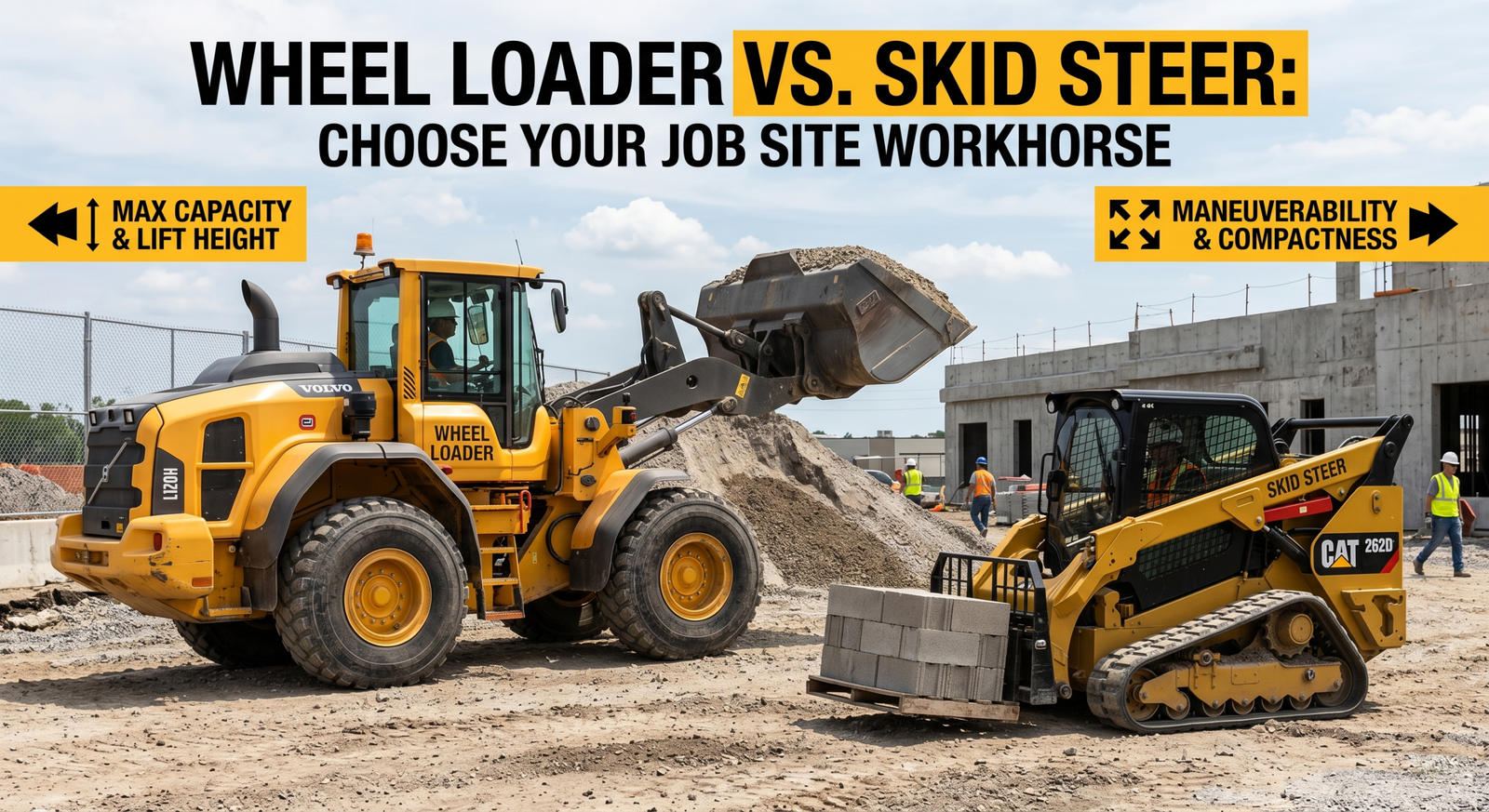
Q7: How does a Wheel Loader differ from a Skid Steer Loader? A7: While both are wheeled loaders, they differ significantly in size, steering, and application:
- Size: Skid steers are much smaller and more compact than most wheel loaders.
- Steering: Skid steers use “skid steering,” where the wheels on one side move independently of the other, allowing the machine to turn within its own footprint. Wheel loaders typically use articulated steering (bending in the middle) or conventional front-wheel steering.
- Capacity: Wheel loaders have significantly higher lifting capacities and larger buckets.
- Applications: Skid steers excel in very tight spaces, residential projects, and detailed landscaping. Wheel loaders are better suited for moving larger volumes of material over greater distances, loading trucks, and higher-capacity tasks.
Conclusion
The journey through the world of “Payloader vs Wheel Loader” reveals that these terms, while sometimes used interchangeably, ultimately refer to the same indispensable piece of heavy equipment. The wheel loader, with its robust design, powerful hydraulics, and remarkable versatility, stands as a cornerstone of productivity across a multitude of industries – from the bustling construction site and the expansive quarry to the fertile farmlands and the organized chaos of waste management facilities.
We’ve explored how these machines deliver efficiency through rapid material handling, offer unparalleled adaptability with a range of attachments, and provide superior mobility that keeps projects moving forward. Understanding their operational mechanics, the importance of proper selection based on project needs, and the critical role of best practices in safety and maintenance are all vital for anyone involved with these mechanical giants.
Whether you’re looking to invest in new equipment, optimize your existing fleet, or simply gain a deeper appreciation for the machinery that builds our modern world, the insights shared here underscore the value and complexity behind these powerful loaders. By choosing the right machine, operating it with skill and care, and adhering to rigorous safety standards, businesses can harness the full potential of their wheel loaders, ensuring efficient operations and a safe working environment.
The world of heavy equipment is constantly evolving, with innovations in fuel efficiency, operator comfort, and smart technology continually enhancing these machines. Staying informed and applying best practices will ensure you remain at the forefront of productivity and safety.
Learn more today and empower your operations with the knowledge to make informed decisions about this essential heavy equipment.