Wheel Loader Pallet Forks: Your Ultimate Guide to Maximizing Material Handling Efficiency
Imagine a construction site humming with activity, a bustling lumberyard, or a sprawling agricultural operation. What do these diverse environments have in common? The constant need to move heavy, bulky materials efficiently and safely. While forklifts are the traditional workhorses for palletized goods, there’s another, often overlooked, champion in the heavy equipment arena: the wheel loader equipped with pallet forks. This powerful combination transforms a versatile earthmoving machine into a formidable material handler, capable of tackling tasks far beyond its original design.
Wheel loader pallet forks unlock a new dimension of utility for these robust machines. They bridge the gap between dedicated forklifts and the raw power of a wheel loader, offering unparalleled lifting capacity, reach, and maneuverability across challenging terrains. Whether you’re stacking lumber, organizing a warehouse, moving large crates, or handling agricultural products, understanding the capabilities and best practices of wheel loader pallet forks can revolutionize your operational efficiency. This comprehensive guide will delve deep into everything you need to know, from their fundamental design and immense benefits to practical advice on selection, operation, and maintenance. Prepare to discover how this simple attachment can dramatically enhance your productivity, safety, and overall material handling capabilities, making your wheel loader an even more indispensable asset on any job site.
1. What are Wheel Loader Pallet Forks?
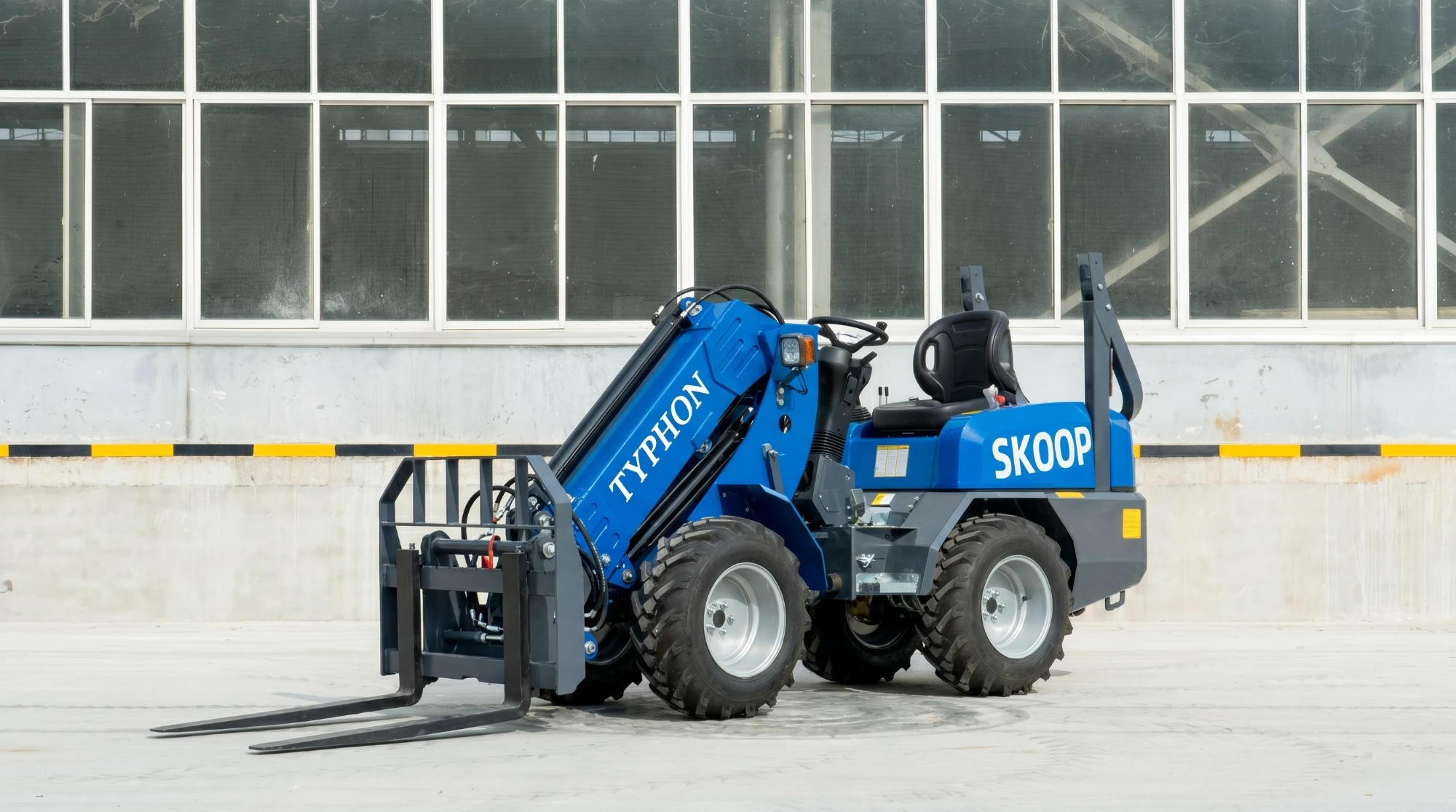
Wheel loader pallet forks are specialized attachments designed to transform a standard wheel loader into a powerful and versatile material handling machine. At their core, they consist of a sturdy frame that connects to the wheel loader’s quick coupler or bucket linkage, and two robust steel tines (forks) that extend forward. These tines are engineered to slide underneath palletized loads, allowing the operator to lift, transport, and stack materials with precision and stability. Unlike a traditional bucket, which is designed for scooping and carrying loose bulk materials, pallet forks provide the necessary leverage and flat surface area to engage with the standardized openings of pallets, crates, and other unitized loads.
The design of wheel loader pallet forks varies, but most share common characteristics. The frame, often referred to as the carriage, is typically made from heavy-gauge steel to withstand significant loads and stresses. This carriage often features a “Class” rating (e.g., Class II, Class III, Class IV) which dictates the maximum weight capacity and the dimensions of the fork mounting points, ensuring compatibility with various fork sizes and loader capacities. The forks themselves are forged from high-strength steel, tapered at the ends for easy entry into pallets, and designed to resist bending and breaking under load. They are usually adjustable along the width of the carriage, allowing operators to accommodate different pallet sizes and load configurations. Some advanced models may include hydraulic side-shift capabilities for even greater precision without repositioning the entire machine.
The primary function of these forks is to provide a stable platform for lifting and moving palletized goods. This capability is particularly valuable in environments where a dedicated forklift might be insufficient due to terrain, lift height requirements, or sheer load weight. For instance, on uneven construction sites, muddy agricultural fields, or expansive industrial yards, a wheel loader’s robust chassis, large tires, and powerful hydraulic system offer superior traction and stability compared to a standard forklift. The attachment process is typically straightforward, utilizing the wheel loader’s quick coupler system, which allows for rapid switching between attachments like buckets, grapples, and forks, maximizing the machine’s versatility throughout the workday. Understanding these fundamental components and their purpose is the first step in appreciating the immense utility and operational advantages that wheel loader pallet forks bring to a wide array of industries.
1.1 Components and Design
The core components of wheel loader pallet forks include the carriage, the forks (tines), and the mounting system. The carriage is the backbone, connecting to the loader and providing the structure for the forks. It’s often reinforced and designed to distribute weight evenly. The forks themselves are critical; they come in various lengths, widths, and thicknesses, chosen based on the typical loads and the loader’s capacity. The mounting system is crucial for quick and secure attachment, often involving a quick coupler for efficiency. Some systems offer hydraulic controls for features like side-shift or fork positioning, enhancing precision and reducing manual effort. The overall design prioritizes strength, durability, and ease of use, ensuring the attachment can withstand demanding industrial and commercial applications.
1.2 Types of Pallet Forks
While the basic concept remains the same, there are several types of wheel loader pallet forks to consider. Standard duty forks are suitable for general material handling and lighter loads. Heavy-duty forks are built with thicker steel and reinforced carriages, designed for continuous use with extremely heavy or awkward loads. Floating forks allow for some degree of vertical movement, which can be beneficial on uneven terrain, reducing stress on the loader and improving load stability. Hydraulic forks offer the ultimate in flexibility, allowing the operator to adjust fork spacing and even side-shift the load from the cab, significantly improving efficiency and safety, especially when dealing with varied pallet sizes or tight spaces. Special applications might also call for lumber forks, which are often longer and thinner to handle large stacks of timber, or brick forks, designed with specific tines for handling brick and block packs. Choosing the right type depends heavily on the specific tasks, load weights, and operational environment.
2. Key Benefits of Wheel Loader Pallet Forks
The integration of pallet forks onto a wheel loader unlocks a myriad of operational advantages that significantly enhance productivity, safety, and cost-effectiveness across various industries. This powerful combination transforms a machine primarily designed for earthmoving into a highly capable and versatile material handler, offering benefits that often surpass those of dedicated forklifts in certain applications. Understanding these key benefits is crucial for any business looking to optimize their heavy equipment fleet and streamline their material handling processes.
One of the most compelling advantages is the unmatched versatility it brings to a single piece of equipment. A wheel loader, by its nature, is a multi-purpose machine. With a quick coupler system, operators can switch from a bucket for digging and loading bulk materials to pallet forks for handling unitized loads in a matter of minutes. This eliminates the need for multiple specialized machines on a job site, saving on capital expenditure, maintenance costs, and storage space. Imagine a construction site where the same loader can move aggregates in the morning and then precisely place palletized bricks or drywall in the afternoon. This adaptability is invaluable, especially for smaller operations or those with fluctuating material handling needs.
Another significant benefit is the superior lifting capacity and reach that wheel loaders inherently possess. Compared to many industrial forklifts, wheel loaders are designed to lift and carry substantially heavier loads. Their robust hydraulic systems and powerful engines allow them to manage weights that would overwhelm standard forklifts, making them ideal for handling oversized crates, heavy machinery components, or large bundles of materials. Furthermore, the extended boom reach of a wheel loader often allows for higher stacking capabilities and the ability to reach over obstacles or into difficult-to-access areas, such as loading high-sided trucks or placing materials on elevated platforms, which might be challenging for a conventional forklift.
Enhanced maneuverability and stability on challenging terrain is a critical advantage, particularly in outdoor or rugged environments. Wheel loaders are built with large, pneumatic tires and articulated steering, providing excellent traction and ground clearance. This makes them perfectly suited for navigating uneven ground, muddy conditions, gravel yards, or construction sites where a typical forklift would struggle or get stuck. Their wider stance and heavier counterweight also contribute to greater stability when carrying heavy loads, reducing the risk of tipping and improving overall safety, especially when operating on inclines or across varied surfaces. This robust design ensures that material handling tasks can continue efficiently, regardless of the ground conditions.
Finally, the potential for increased operational efficiency and safety cannot be overstated. By consolidating tasks onto a single, powerful machine, businesses can reduce idle time, optimize workflow, and minimize the number of equipment operators required. The enhanced visibility from a wheel loader’s cab, often higher than a forklift, can also contribute to safer operation, allowing operators a better view of their surroundings and the load. Modern wheel loaders also come equipped with advanced safety features, such as backup cameras, load stability indicators, and ergonomic controls, further contributing to a safer working environment. By leveraging wheel loader pallet forks, businesses can achieve higher throughput, reduce material damage, and create a more secure workplace, ultimately leading to significant long-term savings and improved project timelines.
2.1 Versatility and Adaptability
The ability to quickly switch between a bucket and pallet forks transforms a wheel loader into a truly multi-functional machine. This versatility means one machine can handle bulk materials, clear debris, and then precisely move palletized goods, all within the same workday. This is particularly beneficial for businesses with diverse operational needs, such as construction companies, agricultural enterprises, and large industrial facilities. Instead of investing in and maintaining separate machines for each task, a single wheel loader with various attachments can cover a broad spectrum of requirements, leading to significant cost savings in equipment acquisition, maintenance, and operator training. This adaptability also allows for rapid response to changing job site demands, ensuring that operations remain fluid and efficient.
2.2 Superior Lifting Capacity and Reach
Wheel loaders are engineered for heavy-duty tasks, boasting powerful hydraulic systems and robust frames that translate into impressive lifting capacities. When equipped with pallet forks, they can effortlessly handle loads that would be beyond the capabilities of many dedicated forklifts. This is crucial for industries dealing with exceptionally heavy materials, such as large concrete blocks, steel beams, or oversized machinery components. Furthermore, the extended boom reach of a wheel loader allows for higher stacking, loading high-sided trucks, or placing materials in elevated positions that conventional forklifts might struggle to access. This increased reach and capacity directly contribute to greater efficiency in material handling, reducing the number of lifts required for large projects and speeding up overall operations.
2.3 Enhanced Maneuverability and Stability on Challenging Terrain
One of the most distinct advantages of using a wheel loader for palletized goods is its inherent ability to operate effectively on uneven, soft, or rugged terrain. Unlike forklifts, which are typically designed for paved or smooth surfaces, wheel loaders feature large, robust tires, excellent ground clearance, and often articulated steering. This design provides superior traction and stability, making them ideal for construction sites, agricultural fields, lumberyards, and other outdoor environments where ground conditions are less than ideal. The wider stance and heavy counterweight of a wheel loader also contribute to greater stability when carrying heavy loads, especially on inclines or across varied surfaces, significantly reducing the risk of tipping and enhancing operator safety. This capability ensures that material handling tasks can proceed efficiently, regardless of the environmental challenges.
2.4 Increased Operational Efficiency and Safety
By leveraging a wheel loader with pallet forks, businesses can achieve substantial gains in operational efficiency. The ability to perform multiple tasks with one machine reduces equipment idle time and optimizes workflow. Faster cycle times for loading and unloading, combined with the loader’s mobility, mean more material can be moved in less time. From a safety perspective, the robust design of wheel loaders, coupled with modern safety features like improved visibility, backup cameras, and load stability indicators, contributes to a safer working environment. Operators often have a higher vantage point compared to a forklift, providing a clearer view of the load and surrounding area. This combination of efficiency and enhanced safety translates into reduced operational costs, fewer accidents, and improved overall productivity, solidifying the wheel loader’s role as a versatile and indispensable asset.
3. How to Get Started with Wheel Loader Pallet Forks
Integrating wheel loader pallet forks into your operations requires careful consideration and planning to ensure maximum efficiency, safety, and return on investment. It’s not simply a matter of attaching the forks; rather, it involves a strategic approach to equipment selection, operator training, and understanding the specific demands of your material handling tasks. Getting started correctly will lay the foundation for successful and productive use of this versatile attachment.
The first crucial step is assessing your specific needs and existing equipment. Before even looking at fork attachments, evaluate the types of materials you typically handle, their average and maximum weights, the dimensions of your pallets, and the typical lift heights required. Consider the terrain where the loader will operate and the frequency of material handling tasks. Simultaneously, assess your current wheel loader fleet. What are the make, model, and lifting capacity of your loaders? Do they have a quick coupler system? Understanding these parameters will dictate the type, size, and capacity of the pallet forks you’ll need. For instance, a compact wheel loader will require different forks than a large industrial model, and the fork capacity must always match or exceed the heaviest loads you anticipate moving, while staying within the loader’s safe operating limits.
Next, focus on selecting the right pallet fork attachment. This involves matching the fork’s specifications to both your operational needs and your wheel loader’s capabilities. Pay close attention to the fork capacity, which must never exceed the loader’s rated operating capacity. Consider the length of the forks – too short, and you risk instability; too long, and maneuverability can be compromised. The carriage class (e.g., Class II, III, IV) is also vital for compatibility with your loader’s quick coupler or bucket linkage. Think about additional features that could enhance efficiency, such as hydraulic side-shift for precise load placement or floating forks for uneven terrain. It’s often beneficial to consult with equipment dealers or attachment specialists who can provide expert advice based on your specific requirements and help you navigate the various options available from reputable manufacturers.
Proper installation and attachment are paramount for both safety and performance. Most modern wheel loaders utilize a quick coupler system, which allows for rapid and secure attachment of various implements, including pallet forks. Familiarize yourself with your loader’s specific quick coupler mechanism. Ensure that the forks are correctly engaged and locked into place, following the manufacturer’s instructions for both the loader and the attachment. Always perform a visual inspection before operation to confirm all pins, latches, and hydraulic connections (if applicable) are secure. A poorly attached implement can lead to dangerous situations, including dropped loads or detachment during operation. If you’re unsure, always refer to your equipment manuals or seek assistance from a qualified technician.
Finally, and perhaps most importantly, operator training and safety protocols must be established. Even experienced wheel loader operators need specific training on the nuances of operating with pallet forks. This includes understanding load centers, safe lifting techniques, maintaining stability, and recognizing the altered dynamics of the machine with a heavy load on the forks. Training should cover proper approach angles, how to engage and disengage pallets, stacking procedures, and navigating with limited visibility. Implement strict safety protocols, including daily pre-operation checks, maintaining clear communication on job sites, and adhering to load capacity limits. Regular refresher training and emphasizing a culture of safety will minimize risks and maximize the productivity of your wheel loader pallet fork operations. By meticulously addressing these steps, you can confidently integrate this powerful attachment into your workflow and unlock its full potential.
3.1 Assessing Your Needs and Equipment
Before investing in pallet forks, conduct a thorough assessment of your operational requirements. What types of materials will you be moving? How heavy are they? What are the typical dimensions of your pallets or loads? Do you need to stack materials high, or primarily transport them horizontally? Consider the environment: is it a smooth warehouse floor, a rugged construction site, or a muddy agricultural field? Simultaneously, evaluate your existing wheel loader fleet. What are their lifting capacities, reach, and hydraulic capabilities? Do they have a quick coupler system for easy attachment changes? Understanding these factors will guide your selection, ensuring the forks you choose are perfectly matched to both your tasks and your machine’s capabilities. This initial assessment prevents over- or under-speccing your attachment, saving time and money in the long run.
3.2 Selecting the Right Pallet Fork Attachment
Choosing the correct pallet fork attachment involves matching its specifications to your assessed needs and your wheel loader’s capabilities. Key considerations include:
- Capacity: The fork’s capacity must be equal to or greater than your heaviest anticipated load, and always within the wheel loader’s safe operating capacity.
- Fork Length: Select a length appropriate for your typical pallet sizes. Forks too short can lead to instability, while overly long forks can hinder maneuverability in tight spaces.
- Carriage Class: Ensure the carriage class (e.g., Class II, III, IV) matches your wheel loader’s quick coupler or bucket linkage for secure attachment.
- Features: Consider hydraulic side-shift for precision, floating forks for uneven terrain, or specialized forks for specific materials (e.g., lumber, bricks).
- Manufacturer: Opt for reputable manufacturers known for quality and durability to ensure longevity and reliable performance. Consulting with an equipment dealer can provide valuable insights and help you make an informed decision.
3.3 Proper Installation and Attachment
Correct installation is critical for both safety and efficiency. Most modern wheel loaders use a quick coupler system, which simplifies the attachment process. Always follow the manufacturer’s instructions for both the wheel loader and the pallet fork attachment.
- Position the Loader: Approach the forks squarely, ensuring the quick coupler is aligned with the attachment points.
- Engage the Forks: Slowly lower the quick coupler until the top pins engage with the fork carriage.
- Secure the Bottom: Tilt the quick coupler back to lift and secure the bottom pins or latches.
- Verify Engagement: Visually inspect all locking mechanisms to ensure the forks are fully engaged and locked. Wiggle the attachment to confirm it’s secure.
- Hydraulic Connections (if applicable): If your forks have hydraulic features (like side-shift), connect the hydraulic hoses, ensuring they are free from kinks and properly seated. Always perform a functional check before putting the machine to work, gently lifting and lowering the forks to confirm proper operation.
3.4 Operator Training and Safety Protocols
Even experienced wheel loader operators need specific training when using pallet forks due to the altered center of gravity and handling characteristics.
- Load Center: Train operators on understanding the load center and how it affects stability. Heavier loads should be carried as low as possible.
- Visibility: Emphasize maintaining clear visibility, using mirrors and backup cameras, and being aware of blind spots.
- Approach and Engagement: Teach proper techniques for approaching pallets, inserting forks squarely, and avoiding damage to goods or racking.
- Maneuvering: Practice slow, controlled movements, especially when turning or operating on inclines. Avoid sudden stops or starts.
- Capacity Limits: Strictly adhere to the wheel loader’s and fork attachment’s rated capacities. Never overload.
- Site Safety: Implement clear communication protocols on the job site, establish designated travel paths, and ensure pedestrian awareness. Regular refresher training and a strong emphasis on safety culture are essential to prevent accidents and maximize productivity.
4. Best Practices for Using Wheel Loader Pallet Forks
Operating wheel loader pallet forks effectively and safely requires more than just knowing how to attach them. It demands a commitment to best practices that encompass pre-operation checks, proper load handling techniques, site management, and ongoing maintenance. Adhering to these guidelines will not only extend the life of your equipment but, more importantly, ensure the safety of your operators and surrounding personnel, while maximizing your operational efficiency.
Pre-operation checks and daily maintenance are the foundation of safe and productive use. Before starting any shift, operators should conduct a thorough walk-around inspection of both the wheel loader and the pallet fork attachment. This includes checking tire pressure, fluid levels (oil, coolant, hydraulic fluid), and ensuring all lights and safety devices (horn, backup alarm) are functional. For the forks, inspect the tines for any signs of cracks, bends, or excessive wear. Verify that the carriage is securely attached to the quick coupler, and all pins and locking mechanisms are in place. Check hydraulic lines for leaks or damage if your forks have hydraulic features. A quick functional test of the lift and tilt functions, along with any hydraulic fork adjustments, should also be performed. Documenting these checks helps identify potential issues before they escalate into costly repairs or dangerous failures.
Proper load handling techniques are critical for stability, safety, and preventing damage to materials. Always approach the load squarely and slowly, ensuring the forks are level and spaced correctly for the pallet. Insert the forks fully under the load to ensure maximum support and stability. Lift the load slowly and smoothly, keeping it as low to the ground as possible during transport to maintain a low center of gravity. Avoid sudden movements, sharp turns, or rapid acceleration/deceleration, especially with heavy or unstable loads. When stacking, ensure the ground is level and stable, and stack materials evenly and securely. Always maintain a clear line of sight; if the load obstructs vision, travel in reverse or use a spotter. Understanding the load’s center of gravity and how it shifts with movement is paramount to preventing tipping or dropping loads.
Site management and environmental considerations play a significant role in safe and efficient operation. Before beginning work, operators should survey the work area for potential hazards such as uneven terrain, soft spots, overhead obstructions, power lines, or pedestrian traffic. Plan your travel routes to avoid obstacles and minimize turns, especially with heavy loads. Ensure that loading and unloading zones are clear, well-lit, and designated for equipment operation. In outdoor environments, be mindful of weather conditions like strong winds, rain, or snow, which can affect visibility, traction, and load stability. Implement clear communication protocols, such as hand signals or two-way radios, when working with ground personnel or other equipment operators. Maintaining a clean and organized work area also reduces the risk of accidents and improves overall efficiency.
Finally, regular maintenance and inspection are essential for the longevity and reliability of your wheel loader and its pallet forks. Follow the manufacturer’s recommended service schedule for the wheel loader, including lubrication, filter changes, and hydraulic system checks. For the pallet forks, regularly inspect the tines, carriage, and mounting points for wear, fatigue, or damage. Pay particular attention to the heel of the forks, where most stress occurs. Any signs of cracking, bending, or thinning should prompt immediate replacement. Keep all moving parts, such as hydraulic cylinders for side-shift, clean and lubricated. Promptly address any issues identified during daily checks or operational use. Investing in proper maintenance not only prevents costly breakdowns but also ensures the equipment operates at peak performance, maximizing its lifespan and contributing to a safer, more productive work environment. By integrating these best practices, you can harness the full potential of your wheel loader pallet forks.
4.1 Pre-Operation Checks and Daily Maintenance
A thorough pre-operation check is non-negotiable for safe and efficient use. Every operator should perform a walk-around inspection before starting work.
- Loader Inspection: Check tire pressure, fluid levels (engine oil, hydraulic fluid, coolant), and ensure all lights, mirrors, and safety devices (horn, backup alarm) are functional. Verify that the quick coupler is clean and operating smoothly.
- Fork Inspection: Examine the fork tines for any cracks, bends, or excessive wear, especially at the heel. Check the carriage frame for any damage or loose components.
- Attachment Security: Confirm that the pallet forks are securely attached to the quick coupler, with all pins and locking mechanisms fully engaged and secured.
- Hydraulic Lines (if applicable): Inspect hydraulic hoses for leaks, cuts, or abrasions. Ensure connections are tight.
- Functional Test: Once in the cab, perform a brief functional test of the lift, tilt, and any hydraulic fork adjustments to ensure smooth operation. Documenting these daily checks helps track equipment health and proactively address potential issues.
4.2 Proper Load Handling Techniques
Safe and efficient load handling is paramount.
- Approach Squarely: Always approach the load straight on, ensuring the forks are level and centered with the pallet openings.
- Full Insertion: Insert the forks completely under the load to maximize stability and prevent damage. Avoid lifting with only the tips of the forks.
- Load Center: Understand the load’s center of gravity. Keep the heaviest part of the load against the carriage.
- Low and Slow: Carry loads as low to the ground as possible during transport to maintain stability and visibility. Travel at a safe, controlled speed.
- Smooth Movements: Avoid sudden starts, stops, or turns, especially with heavy or unstable loads. Smooth, deliberate movements reduce stress on the equipment and prevent load shifting.
- Visibility: If the load obstructs your forward view, travel in reverse or use a spotter.
- Stacking: When stacking, ensure the ground is level. Stack materials evenly and securely, always within the safe height limits of the loader and the stability of the stack. Never exceed the loader’s rated capacity.
4.3 Site Management and Environmental Considerations
Effective site management and awareness of environmental factors significantly enhance safety and efficiency.
- Hazard Assessment: Before starting, survey the work area for potential hazards: uneven terrain, soft ground, overhead obstructions (power lines, pipes), pedestrian traffic, or other equipment.
- Route Planning: Plan your travel routes to minimize turns, avoid obstacles, and ensure clear pathways, especially when carrying loads.
- Designated Zones: Establish clear, designated zones for loading, unloading, and material storage. Ensure these areas are well-lit and free from clutter.
- Communication: Implement clear communication protocols with ground personnel and other operators, using hand signals, radios, or other agreed-upon methods.
- Weather Conditions: Be mindful of adverse weather. Rain, snow, ice, or strong winds can affect traction, visibility, and load stability. Adjust operating speed and techniques accordingly.
- Ground Conditions: Be aware of changes in ground conditions. Soft ground can lead to instability, while slippery surfaces increase stopping distances. A well-managed site minimizes risks and optimizes workflow.
4.4 Regular Maintenance and Inspection
Consistent maintenance is key to maximizing the lifespan and reliability of your wheel loader and its pallet forks.
- Follow Manufacturer Schedules: Adhere strictly to the wheel loader’s and fork attachment’s recommended maintenance schedules for lubrication, fluid changes, and inspections.
- Fork Wear: Regularly inspect the forks for wear, especially at the heel and tips. Any signs of thinning, cracking, or bending indicate a need for replacement. Worn forks can compromise safety and load integrity.
- Carriage and Mounting Points: Check the carriage for structural integrity. Inspect all pins, bushings, and locking mechanisms for wear or damage. Replace worn components promptly.
- Hydraulic System (if applicable): For hydraulic forks, regularly check hydraulic fluid levels, inspect hoses and cylinders for leaks, and ensure all connections are tight.
- Cleaning: Keep the forks and carriage clean, especially from corrosive materials.
- Documentation: Maintain detailed records of all inspections, maintenance, and repairs. This helps track equipment history and plan future service. Proactive maintenance prevents costly breakdowns, extends equipment life, and ensures continuous safe operation.
5. Frequently Asked Questions about Wheel Loader Pallet Forks
Understanding the basics of wheel loader pallet forks is essential for anyone considering their use. Here are some of the most common questions people ask, providing clear and concise answers to help you make informed decisions.
5.1 What are wheel loader pallet forks?
Wheel loader pallet forks are specialized attachments that convert a standard wheel loader into a powerful material handling machine. They consist of a sturdy frame (carriage) that connects to the loader’s quick coupler or bucket linkage, and two robust steel tines (forks) designed to slide under palletized loads. This allows the wheel loader to lift, transport, and stack materials like pallets, crates, and bundles, significantly expanding its utility beyond its primary earthmoving functions. They are built to handle heavier loads and operate on more challenging terrain than traditional forklifts.
5.2 How do wheel loader pallet forks work?
Wheel loader pallet forks work by leveraging the wheel loader’s hydraulic system and quick coupler mechanism. The operator positions the loader in front of a palletized load, ensuring the forks are level and spaced correctly. The loader’s boom is then lowered to align the forks with the pallet openings. The operator slowly drives forward, inserting the forks fully underneath the load. Once the load is secure, the boom is raised, and the forks are tilted back slightly to stabilize the load against the carriage. The operator can then transport the material to its destination, lowering the load to the ground or stacking it as required. The quick coupler allows for rapid attachment and detachment, enabling the loader to switch between forks and other implements quickly.
5.3 What are the main benefits of using wheel loader pallet forks?
The main benefits include:
- Versatility: Transforms a single machine into a multi-purpose tool, reducing the need for specialized equipment.
- Superior Lifting Capacity and Reach: Wheel loaders can handle much heavier loads and reach higher or further than many dedicated forklifts.
- Enhanced Maneuverability and Stability on Challenging Terrain: Their robust design, large tires, and articulated steering make them ideal for uneven, soft, or rugged outdoor environments.
- Increased Operational Efficiency: Faster cycle times, reduced equipment idle time, and the ability to perform multiple tasks with one machine lead to greater productivity.
- Improved Safety: Robust construction, higher operator vantage point, and modern safety features contribute to a safer working environment compared to some alternatives.
5.4 Can I use any pallet forks on any wheel loader?
No, you cannot use any pallet forks on any wheel loader. Compatibility is crucial. You must match the pallet fork attachment to your specific wheel loader’s make, model, and quick coupler system. Key factors include:
- Quick Coupler Type/Class: The fork carriage must be compatible with your loader’s quick coupler system (e.g., Class II, III, IV).
- Lifting Capacity: The fork’s rated capacity must match or exceed your heaviest anticipated loads, and never exceed the wheel loader’s safe operating capacity.
- Hydraulic Flow: If the forks have hydraulic features (like side-shift), your loader must have the necessary auxiliary hydraulic lines and flow. Always consult your wheel loader’s manual and the attachment manufacturer’s specifications to ensure proper fit and safe operation.
5.5 What safety precautions should I take when using wheel loader pallet forks?
Safety is paramount. Key precautions include:
- Daily Inspections: Perform pre-operation checks on both the loader and forks for damage or wear.
- Operator Training: Ensure operators are fully trained on safe operation with forks, including load centers, stability, and maneuvering.
- Load Limits: Never exceed the rated lifting capacity of the forks or the wheel loader.
- Maintain Visibility: Keep the load as low as possible during transport. If vision is obstructed, travel in reverse or use a spotter.
- Smooth Movements: Avoid sudden starts, stops, or turns.
- Site Awareness: Be aware of ground conditions, overhead obstructions, and pedestrian traffic.
- Proper Engagement: Always insert forks fully under the load and tilt back for stability.
- Secure Attachment: Ensure the forks are securely locked to the quick coupler.
5.6 How do I choose the right size and capacity of pallet forks?
Choosing the right size and capacity involves:
- Load Weight: Determine the maximum weight of the materials you’ll be handling. The forks’ capacity must be greater than this.
- Pallet Dimensions: Measure the length and width of your typical pallets. Fork length should be sufficient to fully support the pallet, and the carriage width should allow for proper fork spacing.
- Wheel Loader Capacity: The forks’ capacity must always be within the safe operating capacity of your wheel loader.
- Application: Consider specialized needs (e.g., longer forks for lumber, hydraulic side-shift for varied pallet sizes). Consulting with an equipment dealer can help you match these factors to the ideal fork attachment for your specific needs.
5.7 What are some common applications for wheel loader pallet forks?
Wheel loader pallet forks are incredibly versatile and are used in a wide range of applications, including:
- Construction: Moving palletized bricks, blocks, cement bags, drywall, lumber, and other building materials around job sites.
- Agriculture: Handling seed bags, fertilizer pallets, feed, hay bales (with appropriate attachments), and other farm supplies.
- Lumberyards: Stacking and moving bundles of timber, plywood, and other wood products.
- Industrial & Manufacturing: Transporting raw materials, finished goods, machinery components, and large crates within factories or yards.
- Warehousing & Logistics: Loading and unloading trucks, organizing storage areas, and moving heavy palletized inventory, especially in outdoor or semi-rough environments.
- Waste & Recycling: Moving baled recyclables or large, heavy containers.
Conclusion
The wheel loader, already a powerhouse in earthmoving and bulk material handling, truly elevates its game with the addition of pallet forks. This simple yet transformative attachment unlocks a new realm of versatility, allowing a single machine to transition seamlessly from digging and loading to precisely lifting and transporting palletized goods. We’ve explored how these robust attachments work, the immense benefits they offer in terms of lifting capacity, reach, and stability on challenging terrains, and the critical steps involved in getting started, from selection to installation.
By adhering to best practices in pre-operation checks, proper load handling, site management, and regular maintenance, operators can harness the full potential of wheel loader pallet forks safely and efficiently. This combination not only streamlines operations and reduces the need for multiple specialized machines but also significantly enhances productivity and safety across diverse industries, from construction and agriculture to industrial and warehousing applications. Investing in the right pallet forks and committing to proper training and operational procedures can lead to substantial gains in efficiency, cost savings, and overall operational excellence.
Don’t let your wheel loader be limited to just one function. Unlock its full potential and revolutionize your material handling capabilities.